Trichiasis
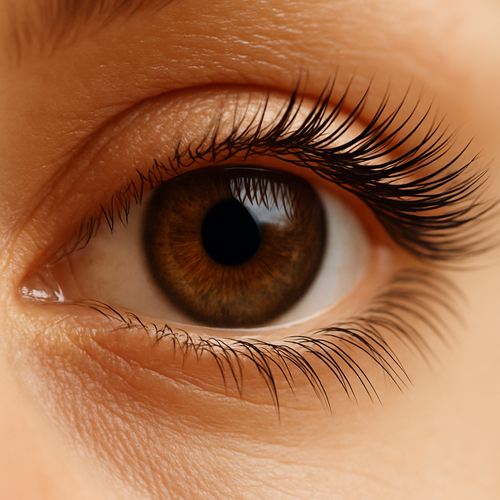
Trichiasis is a condition where eyelashes grow inward toward the eye instead of their natural outward direction. While the lash follicle remains structurally normal, abnormal growth patterns can result from inflammation, leading to lashes rubbing against the cornea. This condition most commonly affects the lower eyelid, though in cases such as chemical burns or trachoma infections, the upper eyelid may also be involved.
Common causes of trichiasis include chronic blepharitis, chemical or thermal burns, eyelid trauma, atopic diseases, herpes zoster, eyelid tumors, chalazia, and certain eye surgeries. In trachoma, caused by Chlamydia trachomatis, inflammation of the eyelid margin and conjunctiva often leads to both trichiasis and entropion, increasing the risk of corneal scarring and vision loss.
Management of Trichiasis
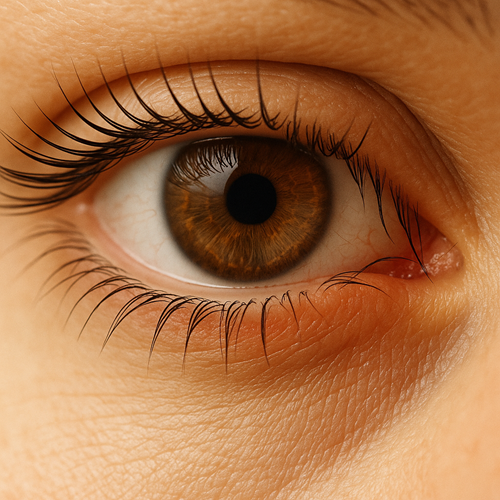
Temporary relief may be achieved through eyelash epilation or the use of a bandage contact lens. However, for long-term treatment, surgical options are necessary after inflammation subsides. Permanent solutions include electrolysis, argon laser therapy, cryotherapy, radiofrequency treatment, surgical repositioning, and resection of the affected follicles.
Distichiasis
Distichiasis occurs when an extra row of eyelashes grows behind the normal lash line. These extra lashes tend to be fine and lightly pigmented but can still cause corneal irritation. The condition can be congenital or acquired.
In congenital cases, conditions such as focal facial dermal dysplasia may result in multiple lash rows or, conversely, the complete absence of eyelashes in some areas. Secondary distichiasis develops due to inflammatory conditions that lead to changes in the meibomian glands, which then begin to produce eyelash-like structures. Common causes include meibomian gland dysfunction, Stevens-Johnson syndrome, chemical burns, and blepharitis.
Management of Distichiasis
Treatment options include eyelash epilation, cryotherapy, radiofrequency ablation, follicle removal, and surgical correction such as lid-splitting procedures.
Tristichia & Tetrastichiasis
Tristichia refers to the presence of a third row of eyelashes, while tetrastichiasis involves a fourth row. These additional rows can contribute to eye irritation or corneal damage.
Management of Tristichia
A consultation with a dermatologist or ophthalmologist is recommended to determine the best course of treatment.
Hypotrichosis
Hypotrichosis is a condition characterized by reduced hair density, which can also affect eyelashes. The most effective treatment is topical bimatoprost ophthalmic solution 0.03%, applied along the base of the eyelashes. This medication promotes the growth of longer, thicker, and darker lashes, with noticeable results in approximately 16 weeks.
Potential side effects of bimatoprost include skin pigmentation changes, iris darkening, and mild irritation, though these effects typically reverse upon discontinuation.
Alopecia Adnata
Alopecia adnata refers to underdeveloped eyelashes, often associated with alopecia areata—an autoimmune disorder that can affect hair growth across the body, including the eyelashes.
Management of Alopecia Adnata
As this is an autoimmune-related condition, there is currently no cure. Consulting a dermatologist can help explore potential management options.
Madarosis
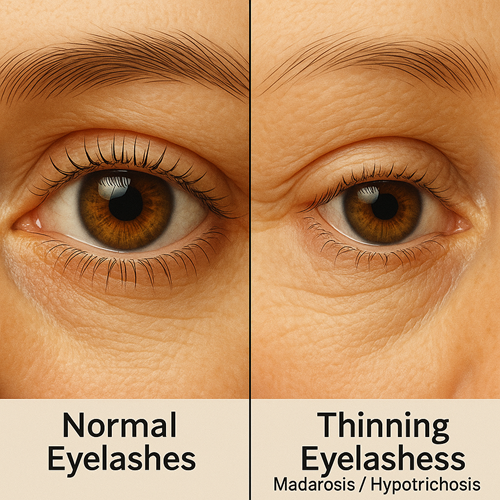
Madarosis is the loss of eyelashes, which may result from underlying medical conditions, infections, or systemic diseases. Potential causes include blepharitis, psoriasis, ocular rosacea, trachoma, chemotherapy, congenital syndromes, seborrheic blepharitis, and bacterial infections. In some cases, psychological factors may contribute, necessitating psychiatric evaluation and treatment.
Management of Madarosis
Identifying and addressing the underlying cause is essential for treatment. While eyelash transplants are available, they are not widely accepted due to risks such as misdirected lash growth (trichiasis) and poor aesthetic outcomes.
Deficiencies in zinc have also been linked to eyelash loss. Acrodermatitis enteropathica, a rare genetic disorder affecting zinc absorption, has been associated with widespread eyelash thinning.
The Bottom Line
Maintaining eyelash health requires attention to any noticeable changes. Early diagnosis and treatment of lash disorders can prevent complications and improve outcomes. While a few stray lashes might seem like a minor issue, consulting a healthcare professional is advisable, especially if symptoms persist. More severe conditions, such as trichiasis, should be treated promptly to prevent potential eye damage.\