
With the rising prevalence of both type I and type II diabetes, medical professionals are increasingly recognizing diabetes as a potential cause of infertility in men. Both types of diabetes damage the insulin-producing cells in the body, leading to various health complications, including infertility.
Infertility is defined as the inability to conceive after a year of trying. It affects a large portion of the population. While lifestyle changes such as weight loss and a proper diet can help reverse infertility in many cases, chronic conditions like diabetes can introduce additional complications for both men and women.
How Diabetes Leads to Infertility
Diabetes is a serious health condition where the pancreas fails to produce enough insulin, causing glucose to build up in the blood. This excess glucose becomes toxic and can disrupt various hormone levels, including testosterone, progesterone, and estrogen. If not managed properly, hormonal imbalances can result in side effects such as erectile dysfunction and infertility.
In men, diabetes damages the nerves that control the reproductive system. This can lead to erectile dysfunction and delayed ejaculation, where the nerves in the penis are affected. The impact of diabetes on the male reproductive system can be significant and far-reaching.

Understanding the Two Types of Diabetes
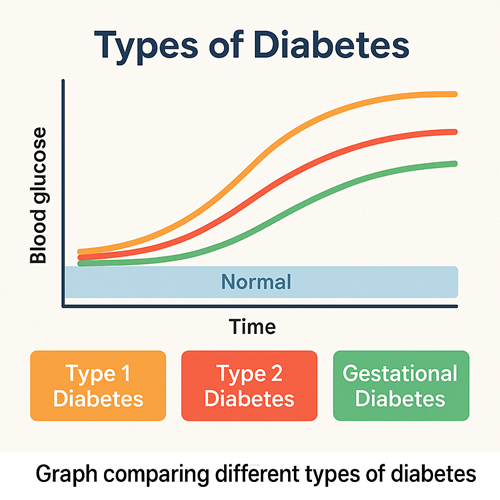
Diabetes can be classified into two types: type I and type II. Type I diabetes is genetic, meaning individuals are born with it, while type II develops over time due to factors like poor diet, obesity, lack of exercise, and genetics. Both types of diabetes have been shown to be linked with infertility. Unfortunately, the prevalence of both types has been rising globally in recent years.
Managing Infertility Caused by Diabetes
Although diabetes can often be managed with a balanced diet, exercise, and sometimes insulin, it can also cause infertility, which often goes unnoticed until the individual tries to start a family. Fortunately, infertility caused by diabetes is treatable in many cases.
Studies have found that defective sperm DNA is a leading cause of male infertility. Diabetes can induce oxidative stress in the body, which damages sperm DNA. Oxidative stress produces ions that promote cell death, further affecting sperm quality.
Research shows that men with diabetes have a higher likelihood of suffering DNA damage in their sperm compared to men without the condition. Additionally, diabetes has been linked to significantly lower sperm counts and adverse effects on sperm motility and morphology. Diabetic men are nearly three times more likely to experience sperm apoptosis (cell death) than their non-diabetic counterparts. This DNA damage in sperm can also contribute to higher rates of miscarriages.
Managing Lifestyle Changes
Infertility specialists recommend quitting smoking, reducing alcohol consumption, and monitoring sugar intake to treat infertility caused by diabetes. Regular tests and consultations with a doctor are essential to manage the condition. It is also important to conduct tests every two months to check if diabetes is causing any additional health issues. Following your doctor’s advice is crucial for managing infertility due to diabetes.