1. Alcohol
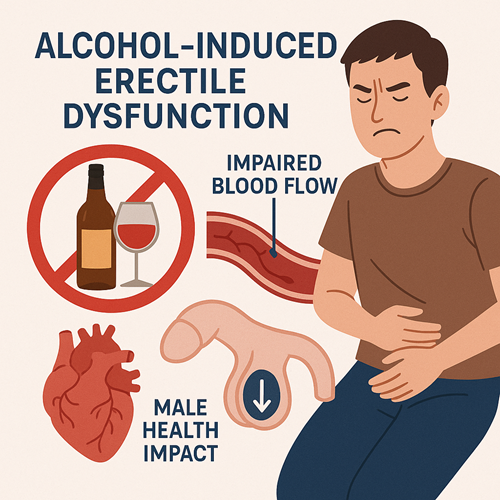
Drinking alcohol can lead to both temporary and permanent ED. Research indicates that 60-70% of heavy alcohol users experience long-term erectile dysfunction. Alcohol impairs blood flow to the penis and damages nerves, causing numbness in sexual desire, known as peripheral neuropathy.
2. Smoking
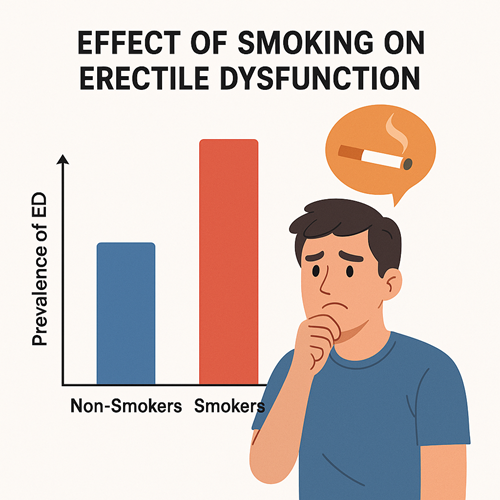
Smoking is a leading cause of ED, particularly in men under 40. A study revealed that men who smoked more than 20 cigarettes daily had a 60% higher risk of erectile dysfunction compared to non-smokers. Smoking causes plaque build-up in arteries, restricting blood flow to the penis and causing erectile dysfunction.
3. Injury and Accidents
ED can result from injuries to the spinal cord or pelvic area, damaging blood vessels or nerves. As nerves control erectile function, any trauma to these areas can lead to the loss of control over erections. Damaged blood vessels also reduce blood flow to the penis, contributing to ED.
4. Prolonged Exercise Risks
While cycling offers health benefits, excessive cycling hours may contribute to ED. Prolonged pressure on the perineum (the area between the scrotum and anus) from narrow seats can damage nerves and arteries. To reduce the risk, it’s advisable to avoid narrow, hard seats.
5. Hair Loss Medications and ED
Drugs like Finasteride and Dutasteride, used to treat male hair loss, have been linked to side effects such as reduced libido and erectile dysfunction. Studies show that 92% of men taking Finasteride for hair loss experienced ED, and 69% had difficulty reaching orgasm. This is due to a reduction in Dihydrotestosterone (DHT), a hormone vital for sexual function.
6. Obesity
Excess weight, particularly abdominal fat, interferes with blood circulation and sexual health. A study from the Journal of Sexual Medicine showed that losing just 5-10% of body weight over two months significantly improved erectile function and sexual desire in obese men.
7. Work-Related Stress
Stress, especially work-related, is a known cause of ED. Chronic workplace stress can lead to anxiety and depression, both of which impair erectile function. Dr. David Edwards notes that workplace stress is strongly linked to ED in men, affecting 1 in 10 men. Prolonged stress can lower testosterone levels, further complicating sexual health.
8. Medicinal Side Effects
Certain medications, including antidepressants, antihypertensives, and anti-anxiety drugs, can lead to ED as a side effect. If you notice a decline in sexual performance after starting a new medication, consult your doctor. Medications that cause ED include diuretics, antidepressants, anti-anxiety drugs, antihistamines, and chemotherapy agents.
9. Porn-Induced ED
Pornography can also be a contributor to ED, as it sets unrealistic expectations about sex. Men may struggle with erections if sex doesn't live up to the idealized scenarios seen in adult films. Studies have shown that 60% of compulsive porn users suffer from ED, with the average age of onset being 25.
10. Problems with Partner
Issues within a relationship can lead to ED. Emotional difficulties, lack of intimacy, and communication problems can trigger erectile dysfunction. If you’re concerned about your sexual health, talking openly with your partner or seeking professional counseling can help resolve these issues.
Conclusion
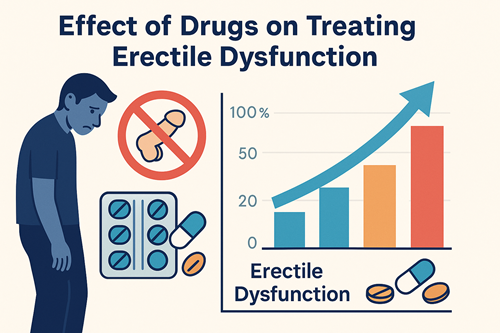
In summary, ED can be caused by a variety of factors, including stress, poor sleep, hormonal imbalances, and underlying medical conditions. ED can be treated with medication, therapy, and lifestyle changes. It’s important to approach treatment with caution, especially when using over-the-counter products or male supplements. You can buy ED pills online from premiumrxdrugs at an affordable price.