Why Androcur (Cyproterone Acetate) Is Commonly Sought in LGBTQ Communities
Androcur 50mg, containing Cyproterone Acetate, has long been recognized as one of the most potent antiandrogen medications available.
While it was originally developed for medical conditions related to excess male hormones,
it has also become widely known within LGBTQ communities—particularly among transfeminine (MTF) individuals and others managing androgen-driven symptoms.
This interest is not driven by trend or curiosity. It is rooted in how the medication functions in real bodies,
over time, and how consistently it suppresses androgen activity when compared to other options.
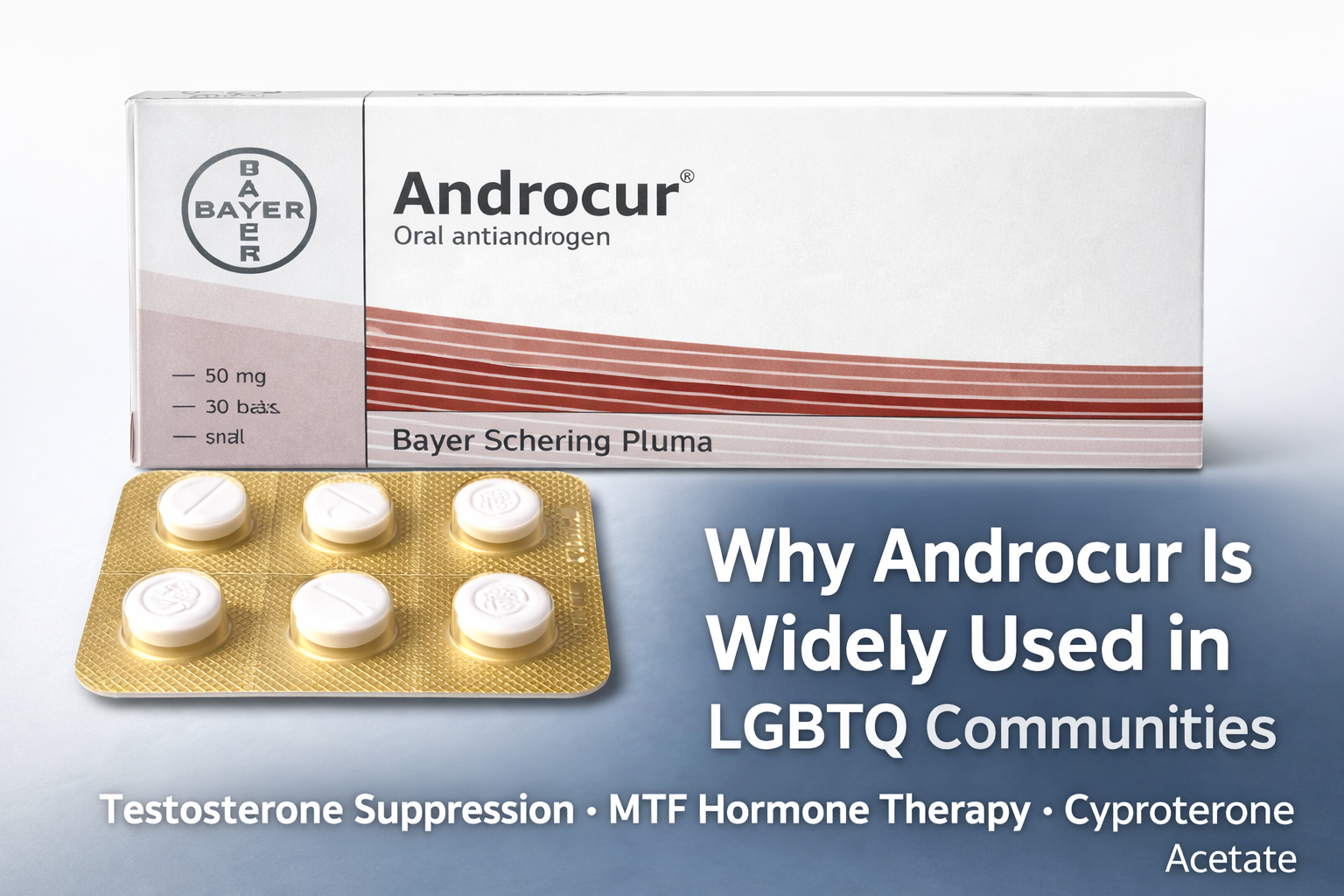
How Cyproterone Acetate Actually Works
Cyproterone Acetate works through a dual mechanism that sets it apart from many other antiandrogens. It directly blocks androgen receptors, preventing testosterone and DHT from exerting their effects, while also reducing androgen production at the hormonal level.
Because it acts at both the receptor level and the production level, its effects are often described as stronger and more comprehensive than medications that rely on a single pathway. In practical terms, this results in a noticeable reduction in the influence of male hormones on androgen-sensitive processes such as body and facial hair growth, sebum production and severe acne, androgen-driven scalp hair loss, and libido linked to testosterone activity.
This strength is precisely why Androcur is approached with both respect and caution by experienced users.
Why Many Transfeminine (MTF) Individuals Seek Androcur
Within transfeminine hormone therapy, one of the primary goals—especially during early or active transition phases—is effective testosterone suppression. Across community discussions, a consistent observation appears again and again: once testosterone is adequately suppressed, other aspects of feminizing hormone therapy tend to work more smoothly.
Many real-world users describe similar outcomes after stabilization, including reduced spontaneous erections, gradual decrease in body hair density, improved responsiveness to estrogen therapy, reduced androgen-driven restlessness or anxiety, and noticeable changes in skin texture and oil production.
For this reason, Androcur is often described not as a cosmetic enhancement but as a foundational medication that enables other therapies to function as intended. Compared to weaker or single-pathway antiandrogens, users frequently report that the results feel more stable and predictable over time.
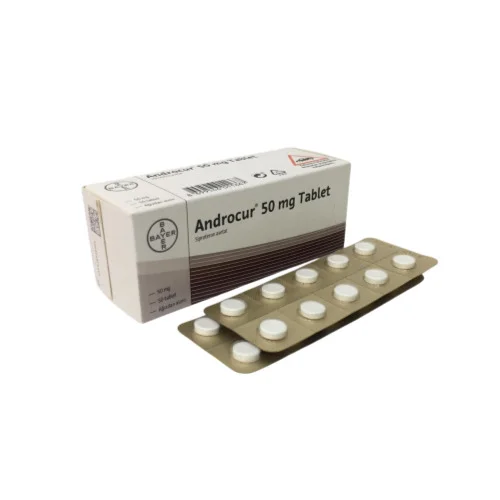
Why Starting Dose Matters More Than Most People Expect
One of the most important insights shared within experienced communities is that Androcur is highly effective even at relatively low doses.
This is a recurring theme across long-term users, clinicians familiar with hormone therapy, and individuals who have adjusted their regimen after initial trial and error.
Because Cyproterone Acetate is potent, starting too aggressively can lead to unnecessary side effects such as fatigue, emotional flattening, or a feeling of over-suppression.
Many users who initially began at higher doses later report feeling better—both physically and mentally—after reducing to the lowest dose that still achieved adequate testosterone control.
A commonly echoed sentiment is that Androcur is not a medication to rush. Gradual hormonal adjustment tends to produce more sustainable and tolerable results,
and the goal is not maximum suppression, but effective suppression with stability. Community experience consistently reinforces the idea that more is not automatically better with this medication.
Why the Original Branded Product Continues to Be Requested
Another recurring theme among experienced users is trust in the original branded formulation. Because Cyproterone Acetate is systemic and powerful, many individuals express concern about dosage accuracy, manufacturing consistency, and predictable absorption.
In community discussions, users often describe preferring the original Androcur by Bayer due to confidence in quality control and consistency, especially when long-term hormonal balance is involved.
For many, this is not about brand loyalty, but risk management when using a medication that significantly alters endocrine function.
Beyond Gender-Affirming Use: Other Real-World Reasons for Demand
While transfeminine hormone therapy is a major driver of interest, Androcur is also sought for other medically recognized androgen-related conditions. Individuals dealing with severe, treatment-resistant acne linked to hormonal imbalance, hirsutism, androgen-driven scalp hair loss, or prostate-related hormone suppression under medical supervision may also be prescribed Cyproterone Acetate.
Across all of these use cases, the common denominator is excess or overactivity of male hormones. Androcur’s effectiveness lies in its ability to address this issue at its source rather than masking symptoms alone.