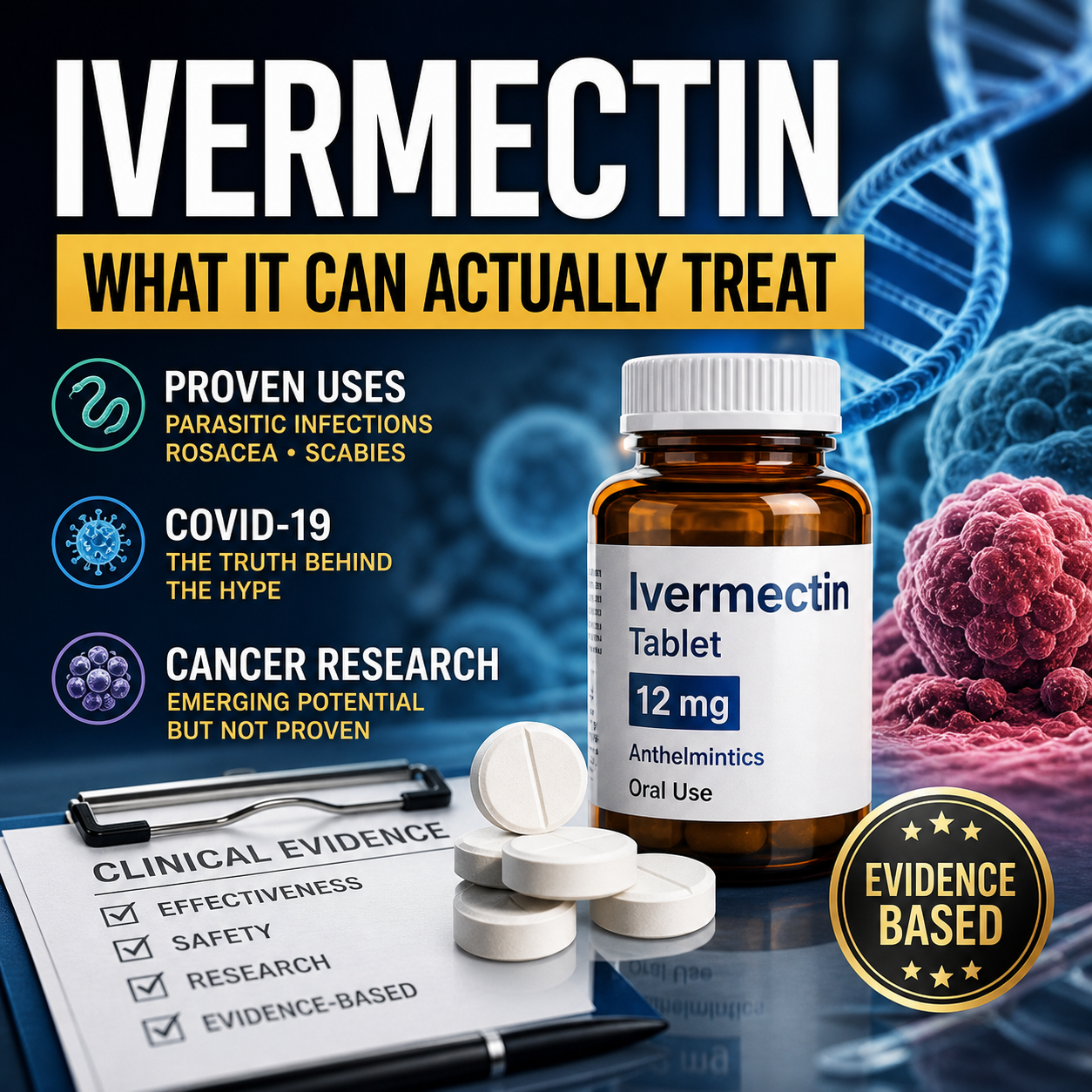
Over the past few years ivermectin has gone from a breakthrough anthelmintics drug to one of the most controversial medications in the world
It was widely promoted as an alternative treatment for covid19 and more recently interest has shifted toward anticancer ivermectin research
But beyond the hype what can ivermectin actually treat
What is Ivermectin
Ivermectin is a well established antiparasitic drug derived from the bacterium Streptomyces avermitilis
First introduced in the 1980s it quickly became a cornerstone treatment for parasitic infections and was later recognized with the 2015 Nobel Prize in Physiology or Medicine
Today ivermectin is available globally in multiple forms including oral tablets and topical creams
Common Dosage Forms
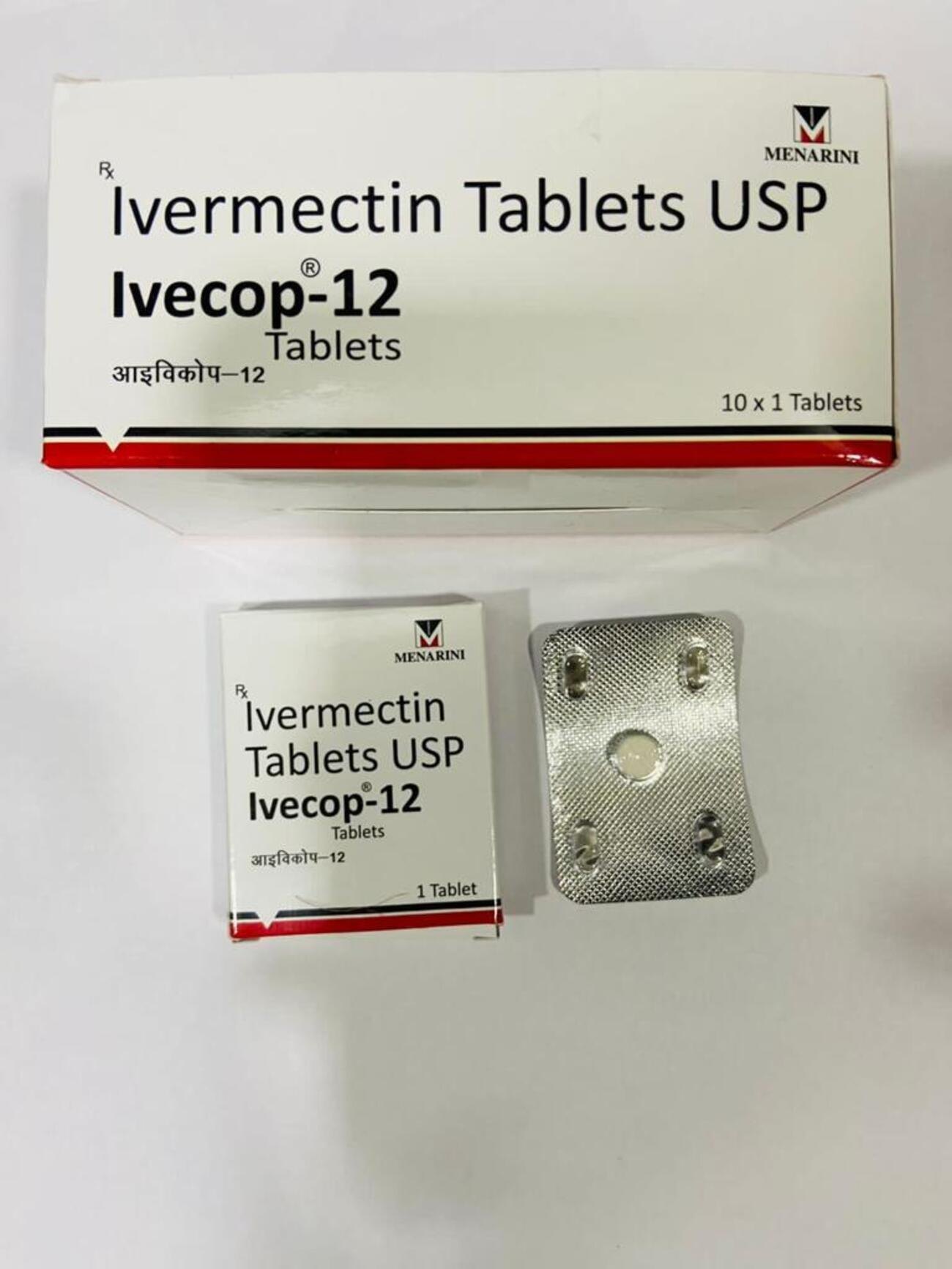
The most widely used strengths in the global market include ivermectin 3mg ivermectin 6mg and ivermectin 12mg
Among these ivermectin 12mg is the most commonly used standard dose for adult patients while lower doses such as ivermectin 3mg and ivermectin 6mg are typically used for flexible weight based dosing
Proven Uses of Ivermectin
Parasitic Worm Infections Primary Use
The core role of ivermectin remains in treating parasitic infections
It is highly effective against Strongyloides stercoralis Ascaris lumbricoides and Wuchereria bancrofti which causes lymphatic filariasis
Evidence reviews show that ivermectin performs better than albendazole in some infections and has fewer side effects than older alternatives
This firmly establishes ivermectin as a first line anthelmintics treatment
Skin Conditions Rosacea and Scabies
Ivermectin is also widely used in dermatology
For rosacea it has been shown to be more effective than placebo and slightly more effective than metronidazole
For scabies it shows similar effectiveness to permethrin
These are common real world use cases
Ivermectin and COVID 19 What Actually Happened
During the pandemic ivermectin gained massive attention as an alternative treatment for covid19
This was largely driven by early laboratory studies that suggested antiviral effects
However real world human clinical trials did not support these findings
There was no significant reduction in mortality no consistent improvement in recovery time and no reliable prevention effect
Large scale evidence reviews concluded that there is no reliable evidence supporting ivermectin for covid19 treatment or prevention
Anticancer Ivermectin Emerging but Unproven
Recently anticancer ivermectin has become a growing research topic
Preclinical studies suggest that ivermectin may inhibit tumor growth pathways trigger cancer cell death and enhance the effects of other therapies
There are early stage human trials exploring ivermectin in combination with antibody based cancer treatments
However most of the current data comes from laboratory and animal studies
Human clinical evidence remains limited and ivermectin is not approved as a cancer treatment
Other Investigated Uses
Malaria transmission studies remain limited and inconclusive with a high risk of bias
River blindness research shows some benefit but results vary depending on parasite strain and population
Why Ivermectin Became So Popular
The global attention around ivermectin can be explained by three factors
Low cost and wide availability as a generic drug
A strong safety profile based on decades of use
High interest in repurposing existing drugs for new conditions
This combination created strong expectations beyond its original purpose
Final Positioning
Proven and first line use is in parasitic infections as a core anthelmintics drug
Established secondary uses include rosacea and scabies
Not supported is its use as an alternative treatment for covid19
Under investigation is its potential role as anticancer ivermectin
Bottom Line
Ivermectin remains one of the most important anthelmintics drugs in modern medicine
But outside its proven role its use in covid19 is not supported by clinical evidence and its role in cancer treatment is still under investigation