Obesity continues to affect millions of people worldwide, and for many, losing weight is far more complicated than simply eating less and exercising more. Countless individuals have tried restrictive diets, intense workout plans, and various supplements, only to find themselves frustrated by limited results.
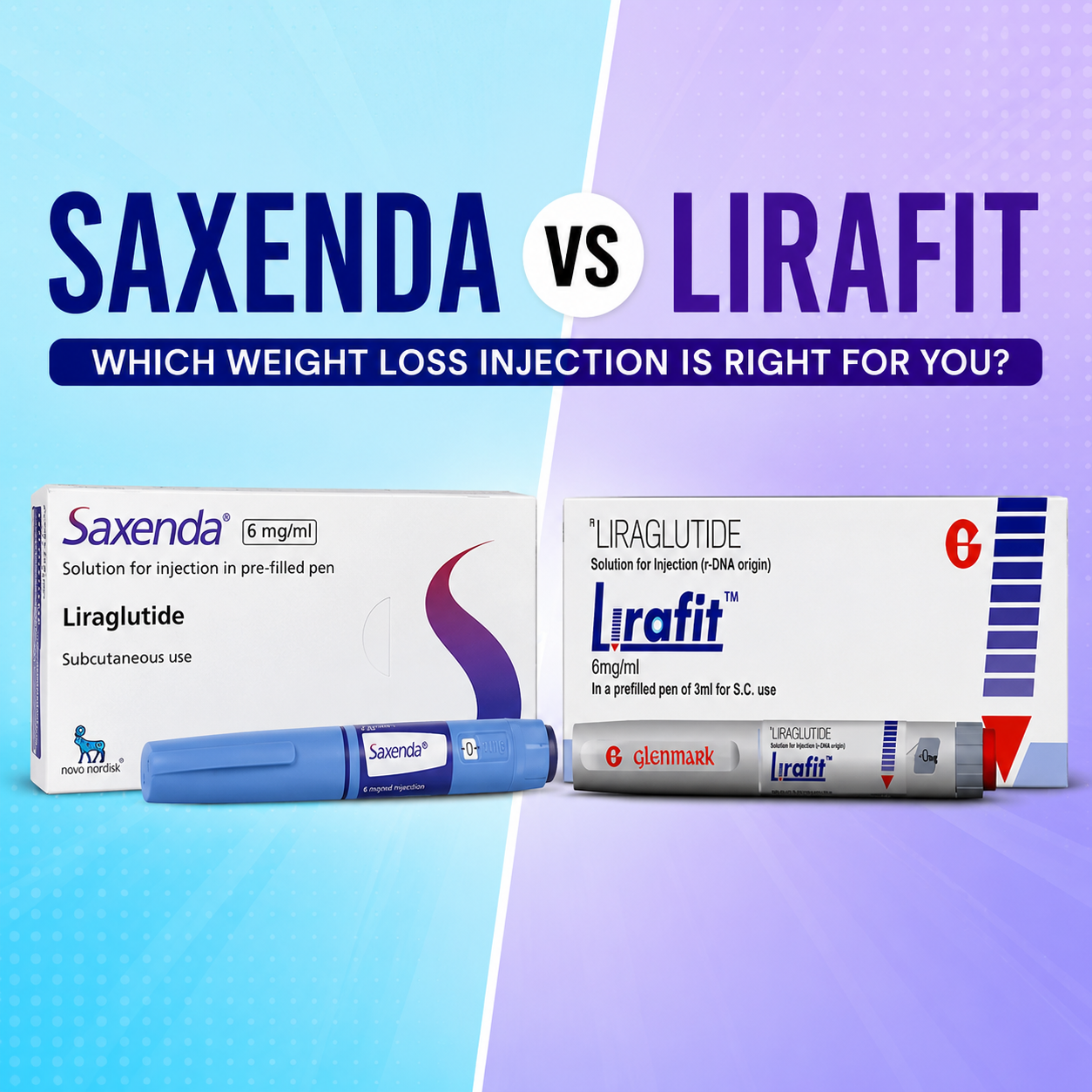
In recent years, GLP-1 medications have changed the conversation around weight management. Among these treatments, Saxenda has become one of the most recognized options for people seeking meaningful and sustainable weight loss. Alongside Saxenda, alternatives such as Victoza and the more affordable generic version, Lirafit, have also gained attention.
If you're wondering how these medications work and which option may be the best fit, here's a closer look.
Saxenda: One of the Most Popular Weight Loss Treatments Available
Saxenda contains liraglutide, a GLP-1 receptor agonist that helps regulate appetite and food intake.
By slowing stomach emptying and increasing feelings of fullness, Saxenda can help reduce calorie consumption throughout the day. Many users report that cravings decrease significantly, making it easier to maintain healthier eating habits.
How Saxenda is used:
- Self-administered once daily by injection
- Can be injected into the abdomen, thigh, or upper arm
- Treatment begins at 0.6 mg daily
- Dose increases by 0.6 mg each week until reaching 3.0 mg daily
Saxenda is generally prescribed for:
- Adults with a BMI of 30 or higher
- Adults with a BMI of 27 or higher who also have weight-related conditions such as hypertension, type 2 diabetes, or elevated cholesterol
Clinical studies have shown that many patients achieve at least 5% body weight reduction, while some individuals experience significantly greater results when treatment is combined with proper nutrition and regular physical activity.
ALT Tag: Saxenda injection pen with dosage chart
Lirafit: The Budget-Friendly Generic Alternative
While Saxenda has proven effective, its cost can be a challenge for many patients. This is where Lirafit has become increasingly attractive.
Lirafit contains the same active ingredient, liraglutide, and follows the same dosing schedule as Saxenda. Produced by an Indian pharmaceutical manufacturer, it offers a more affordable option for people seeking similar benefits without the higher price associated with branded medications.
Advantages of Lirafit include:
- Lower overall treatment cost
- Same active ingredient as Saxenda
- Identical dose escalation schedule
- Potentially similar weight loss outcomes
For individuals who are paying out of pocket, Lirafit may provide a practical solution that makes long-term treatment more financially accessible.
ALT Tag: Side-by-side comparison of Saxenda and Lirafit packaging
Victoza: Primarily Designed for Diabetes Management
Like Saxenda and Lirafit, Victoza also contains liraglutide. However, its primary purpose is the management of type 2 diabetes rather than weight loss.
Victoza helps improve blood sugar control by enhancing insulin response and reducing glucose production in the liver. While weight loss can occur during treatment, the dosage used for Victoza is lower than that of Saxenda.
Typical Victoza dosing:
- Starts at 0.6 mg daily
- Usually increased to 1.2 mg or 1.8 mg daily
Patients often experience modest weight reduction, but those specifically seeking obesity treatment generally achieve better results with Saxenda's higher dosing protocol.
ALT Tag: Victoza injection kit with glucose monitoring tools
Comparing Saxenda, Lirafit, and Victoza
Although all three medications belong to the GLP-1 receptor agonist class and contain liraglutide, they serve slightly different purposes.
Saxenda is specifically formulated and approved for weight management.
Lirafit offers a cost-effective alternative for individuals seeking the benefits of liraglutide without paying premium brand prices.
Victoza remains a valuable option for people whose primary goal is blood sugar control in type 2 diabetes.
Choosing between them often depends on treatment goals, budget considerations, and individual medical circumstances.
Real-World Experiences: What Users Commonly Report
Many Saxenda users share positive experiences regarding appetite control and gradual weight reduction.
Frequently reported benefits include:
- Reduced hunger throughout the day
- Improved portion control
- Easier adherence to calorie-restricted diets
- Weight loss ranging from 10 to 20 kilograms in some long-term users
However, side effects are also common, particularly during dose escalation.
Reported side effects may include:
- Nausea
- Vomiting
- Fatigue
- Digestive discomfort
- Constipation
- Reduced appetite
Some users also report challenges such as nutrient deficiencies due to reduced food intake, while others have experienced temporary medication shortages that interrupted treatment.
One important theme consistently appears in patient discussions: medication works best when combined with lifestyle changes.
People who maintain healthier eating habits and regular exercise tend to achieve better long-term outcomes than those who rely solely on medication.
ALT Tag: Healthy lifestyle icons featuring nutrition and exercise
Safety Considerations
As with any prescription medication, liraglutide-based treatments are not suitable for everyone.
Most side effects improve over time as the body adjusts. However, patients should seek medical attention if they experience symptoms suggestive of serious complications such as:
- Pancreatitis
- Severe abdominal pain
- Persistent vomiting
- Signs of thyroid-related abnormalities
Careful monitoring and regular follow-up with a healthcare professional are important throughout treatment.
Final Thoughts
Successful weight management rarely comes from a single solution. Long-term results typically require a combination of medical treatment, sustainable lifestyle changes, consistent monitoring, and realistic expectations.
Whether you're considering Saxenda, exploring the affordability of Lirafit, or managing diabetes with Victoza, understanding how these medications work can help you make a more informed decision.
The journey toward better health takes time, but with the right support and a personalized approach, meaningful progress is absolutely possible.