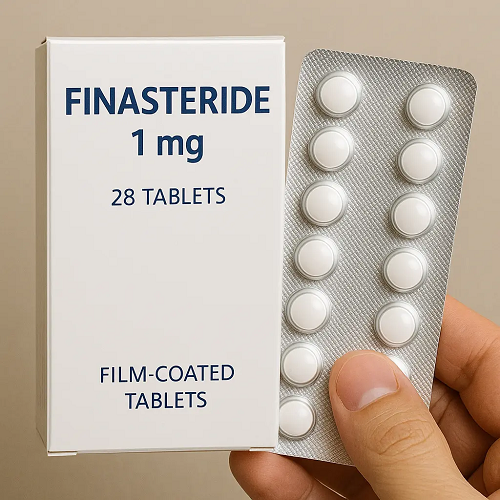
Hair loss is a common yet distressing condition that affects millions of men worldwide. While some may accept it as an inevitable part of aging, many seek effective solutions to preserve and restore their hair. Among the most trusted and scientifically backed treatments available today is Finasteride 1mg—a powerful medication designed to combat male pattern baldness (androgenetic alopecia) by targeting its root cause: Dihydrotestosterone (DHT).
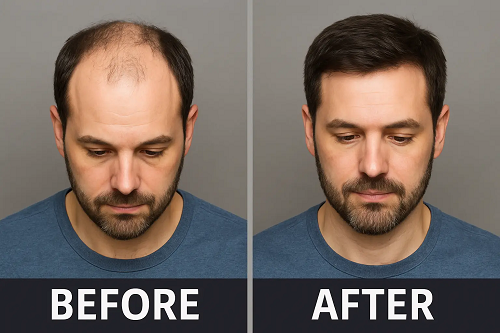
Finasteride 1mg works by blocking the enzyme 5-alpha reductase, which is responsible for converting testosterone into DHT. Excessive DHT levels shrink hair follicles over time, causing thinning hair and eventual baldness. By inhibiting this process, Finasteride 1mg significantly slows hair loss and allows weakened follicles to recover, leading to stronger and healthier hair growth. Clinical studies show that over 85% of men who take Finasteride 1mg experience a halt in hair loss, and approximately 66% notice visible regrowth within 6 to 12 months of consistent use.
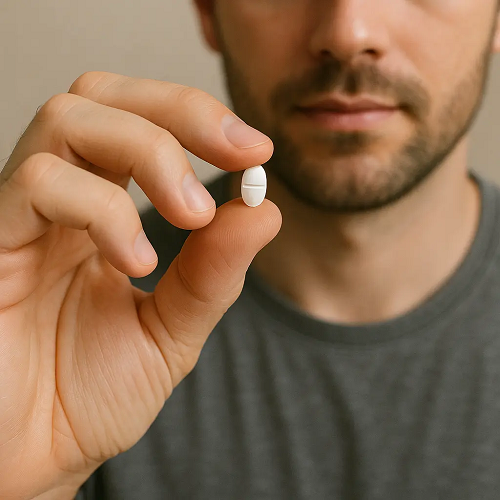
Taking Finasteride 1mg is simple: one tablet daily, with or without food. Consistency is key, as skipping doses or stopping treatment will allow DHT levels to rise again, leading to a gradual return of hair loss. Users typically notice a reduction in shedding within the first 3 to 6 months, while noticeable hair thickening occurs after 9 to 12 months. Long-term adherence ensures continuous protection against DHT-induced follicle shrinkage, helping users maintain a fuller head of hair.
One common question is: Does Finasteride 1mg regrow hair on completely bald areas? The answer depends on the stage of hair loss. Finasteride is most effective at preserving existing hair and revitalizing weakened follicles, rather than regrowing hair on areas where follicles have been inactive for years. This is why starting treatment early yields the best results. Those with more advanced hair loss may consider combining Finasteride with Minoxidil 5%, a topical treatment that stimulates blood flow to the scalp and enhances follicle regeneration.
Like any medication, Finasteride 1mg comes with potential side effects, though they are rare and generally mild. Some users (fewer than 2%) report temporary changes in libido, mild fatigue, or mood fluctuations, but these effects typically subside over time or after discontinuation. Regular follow-ups with a healthcare provider ensure safe and effective use while addressing any concerns that may arise.
For those looking to maximize hair recovery, additional lifestyle modifications can further support results. A nutrient-rich diet, high in biotin, zinc, iron, and omega-3 fatty acids, promotes healthier hair growth. DHT-blocking shampoos and scalp massages can also enhance follicle stimulation, creating an optimal environment for hair restoration.
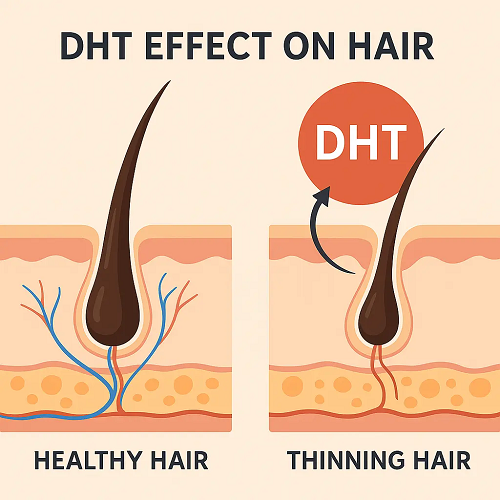
Another frequently asked question is: What happens if I stop taking Finasteride 1mg? Since the medication works by continuously blocking DHT, stopping treatment will allow DHT levels to return to their natural state, resulting in a gradual loss of any hair that was preserved or regrown. This underscores the importance of long-term commitment for sustained benefits.
Finasteride 1mg has changed the landscape of hair loss treatment, offering a clinically proven and FDA-approved solution that is trusted by millions worldwide. It provides a non-invasive, convenient alternative to hair transplants, making it a go-to choice for men seeking to reclaim their hair and confidence. Whether you are just starting to notice thinning hair or looking to prevent further hair loss, Finasteride 1mg is a scientifically backed solution that delivers real results.
Taking control of hair loss early is the best way to preserve hair density and prevent further recession. If you are considering Finasteride 1mg, consult a healthcare professional to determine if it’s the right option for you. With consistency, patience, and the right approach, achieving thicker, healthier hair is possible.