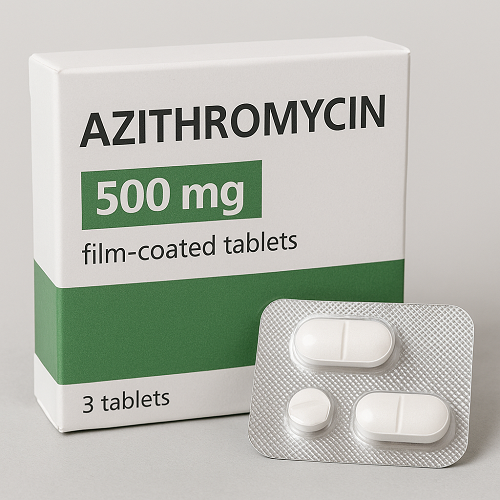
Bacterial infections can lead to serious health complications if left untreated. Among the most widely used and effective antibiotics is Azithromycin 500mg, a powerful macrolide antibiotic known for its broad-spectrum activity against a variety of bacterial infections. From respiratory tract infections to sexually transmitted diseases (STDs), Azithromycin 500mg has been a go-to choice for doctors and patients worldwide.
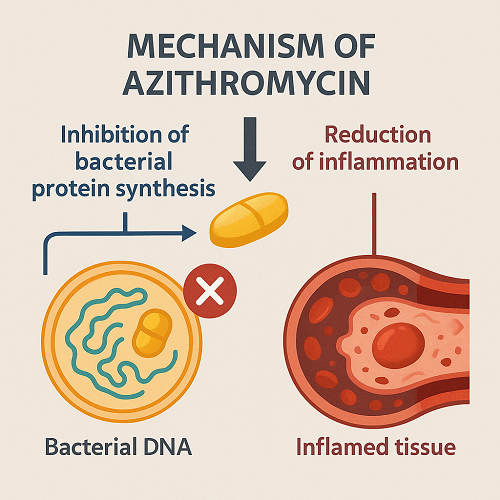
Azithromycin 500mg works by inhibiting bacterial protein synthesis, effectively stopping bacterial growth and allowing the body's immune system to fight the infection. Unlike many other antibiotics, Azithromycin has a longer half-life, allowing for shorter treatment durations and once-daily dosing, making it a convenient and highly effective choice.
What is Azithromycin 500mg Used For?
Azithromycin 500mg is prescribed for the treatment of various bacterial infections, including:
-Respiratory infections – Pneumonia, bronchitis, sinusitis, and tonsillitis
-Ear infections – Otitis media (middle ear infections)
-Skin and soft tissue infections – Cellulitis, impetigo, and infected wounds
-Sexually transmitted infections (STIs) – Chlamydia, gonorrhea, and certain urethral infections
-Gastrointestinal infections – Traveler’s diarrhea caused by bacterial overgrowth
Azithromycin 500mg does not work against viral infections, such as the common cold or flu, and should only be used when prescribed by a doctor.
How Does Azithromycin 500mg Work?
Azithromycin belongs to the macrolide class of antibiotics, which function by inhibiting bacterial protein synthesis. It does this by binding to the 50S ribosomal subunit of bacteria, preventing them from producing the proteins necessary for survival and replication.
✔ Stops bacterial growth and replication
✔ Allows the immune system to clear the infection
✔ Has a long half-life, making it effective with shorter treatment courses
Because of its mechanism of action, Azithromycin 500mg is considered bacteriostatic, meaning it prevents bacteria from multiplying rather than killing them outright. However, at higher concentrations, it can exhibit bactericidal (bacteria-killing) effects, particularly against highly susceptible strains.

How to Take Azithromycin 500mg for Best Results
To ensure maximum effectiveness, follow these dosage guidelines:
-Take Azithromycin 500mg once daily, with or without food
-For respiratory and skin infections – Usually prescribed for 3-5 days
-For chlamydia treatment – A single 1g (two 500mg tablets) dose is often prescribed
-For gonorrhea treatment – Often combined with another antibiotic like ceftriaxone
-For stomach infections (H. pylori) – Used alongside other antibiotics and acid reducers
✔ Do not skip doses, as incomplete antibiotic courses can lead to bacterial resistance
✔ Drink plenty of water while taking Azithromycin
✔ Avoid alcohol while using this medication, as it can intensify side effects

Duration of Action – How Long Does Azithromycin Stay in the Body?
One of the biggest advantages of Azithromycin 500mg is its long half-life, allowing it to remain active in the body for up to 68 hours. This means:
-Most infections require only a 3-5 day course
-The drug continues to work even after the last dose is taken
-Less frequent dosing leads to higher patient compliance
For mild infections, a single dose can sometimes be enough, while more serious infections may require a longer duration (up to 5-7 days) depending on the severity.
Possible Side Effects of Azithromycin 500mg
Like all antibiotics, Azithromycin 500mg can cause side effects. The most common ones include:
-Nausea or vomiting – Usually mild and improves over time
-Diarrhea or stomach cramps – Often temporary and manageable
-Headaches or dizziness – Mild and resolves on its own
-Temporary loss of appetite – Can occur in some users
Rare but serious side effects include:
-Severe allergic reactions (rash, swelling, difficulty breathing)
-Liver problems (dark urine, yellowing of the skin/eyes)
-Irregular heartbeat (QT prolongation, which can cause arrhythmia in some individuals)
If any of these symptoms appear, seek medical attention immediately.
Precautions When Taking Azithromycin 500mg
Before starting Azithromycin 500mg, consult your doctor if you:
✔ Have a history of liver disease or jaundice
✔ Are taking other medications that may interact with it (e.g., blood thinners, antacids, or heart medications)
✔ Are pregnant or breastfeeding, as the medication should only be used if absolutely necessary
✔ Have a known allergy to macrolide antibiotics (such as erythromycin or clarithromycin)
What to Do if You Miss a Dose?
If you miss a dose, take it as soon as you remember. However, if it’s almost time for your next dose, skip the missed one and continue with your regular schedule. Do not take double doses to make up for the missed pill.
How Azithromycin 500mg Compares to Other Antibiotics
Compared to other antibiotics, Azithromycin 500mg is often preferred due to its ease of use and fewer side effects:
-Compared to Amoxicillin – Azithromycin is effective against some bacteria that are resistant to penicillin-based antibiotics.
-Compared to Doxycycline – Azithromycin has a shorter treatment course and fewer gastrointestinal side effects.
-Compared to Ciprofloxacin – Azithromycin is safer for general infections and does not carry the same risk of tendon rupture or nerve damage.
Final Thoughts – Is Azithromycin 500mg the Right Choice for You?
Azithromycin 500mg is a highly effective, broad-spectrum antibiotic that remains a first-line treatment for many bacterial infections. With convenient once-daily dosing, a short treatment duration, and proven efficacy, it is one of the most widely used and trusted antibiotics worldwide.
✔ Effective for respiratory, skin, ear, and sexually transmitted infections
✔ Short treatment course for high patient compliance
✔ Lower risk of resistance compared to other macrolides
If you believe Azithromycin 500mg may be right for you, consult your doctor to ensure it is appropriate for your condition. Always complete the full course of antibiotics, even if symptoms improve early, to prevent the development of antibiotic resistance and recurrence of infection.