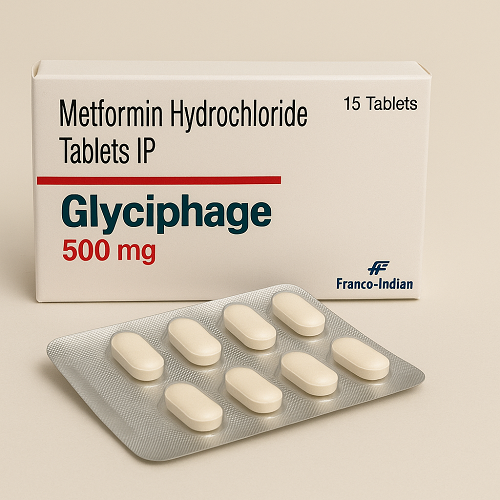
Maintaining a healthy weight and stable blood sugar levels is a challenge for millions worldwide. Glyciphage 500mg, a formulation containing Metformin, is widely prescribed to individuals managing type 2 diabetes and metabolic conditions. But in recent years, its role in weight management has gained significant attention, making it a popular choice for those looking to control both their glucose levels and body weight.
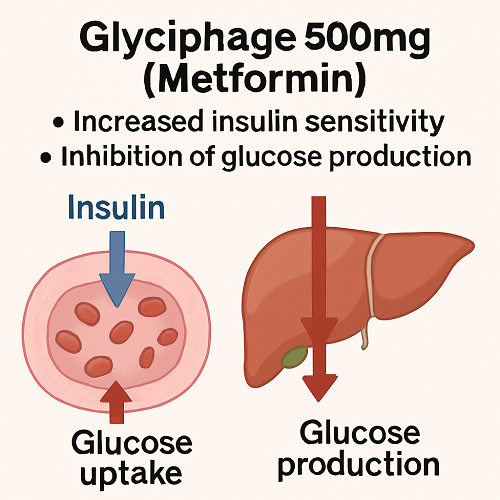
Glyciphage 500mg works by improving insulin sensitivity, reducing glucose production in the liver, and enhancing the body's ability to utilize glucose more effectively. This dual-action mechanism makes it a cornerstone treatment for diabetes and weight-related metabolic disorders.
How Glyciphage 500mg Works in the Body
Unlike other weight-loss medications that suppress appetite, Glyciphage 500mg works at the metabolic level, regulating glucose absorption and insulin function. Here's how:
✔ Reduces glucose production in the liver, lowering blood sugar levels naturally.
✔ Increases insulin sensitivity, allowing cells to utilize glucose more efficiently.
✔ Delays carbohydrate absorption in the intestines, preventing sugar spikes.
✔ Reduces appetite and helps control cravings, leading to gradual and sustainable weight loss.
Because Glyciphage 500mg does not stimulate insulin secretion, it does not cause dangerous blood sugar drops (hypoglycemia) like some other diabetes medications.
Medical Uses of Glyciphage 500mg
Glyciphage 500mg is primarily prescribed for:
Type 2 Diabetes Management – Helps regulate blood sugar levels.
Polycystic Ovary Syndrome (PCOS) – Improves insulin resistance and supports hormonal balance.
Metabolic Syndrome – Reduces risk factors such as high blood sugar, abdominal obesity, and insulin resistance.
Weight Management – Especially useful for overweight individuals with insulin resistance.
Its effectiveness in weight control is what makes Glyciphage 500mg a preferred medication for those struggling with obesity-related metabolic issues.

How to Take Glyciphage 500mg for Best Results
To maximize the benefits of Glyciphage 500mg, it is important to follow a proper dosing regimen:
-Take once or twice daily, usually with meals to reduce stomach discomfort.
-Start with a low dose, gradually increasing under medical supervision.
-Do not crush or chew tablets – Swallow them whole with water.
-Maintain a balanced diet and regular exercise to enhance weight loss effects.
Most people begin noticing changes in glucose levels and weight within 4-6 weeks, but consistent use is required for long-term benefits.

Weight Loss Benefits of Glyciphage 500mg
While Glyciphage 500mg is not a traditional weight-loss drug, it has been shown to help patients lose weight gradually by:
-Reducing appetite naturally, leading to lower calorie intake.
-Preventing fat accumulation, particularly in individuals with insulin resistance.
-Enhancing metabolism, allowing the body to burn glucose more efficiently.
Research indicates that individuals taking Glyciphage 500mg can lose between 2-5% of their body weight over several months when combined with a healthy lifestyle.
Possible Side Effects of Glyciphage 500mg
Most people tolerate Glyciphage 500mg well, but some may experience:
-Mild nausea or stomach upset – Often improves after the first few weeks.
-Diarrhea or bloating – Can be minimized by taking with food.
-Metallic taste in the mouth – Temporary and not harmful.
-Vitamin B12 deficiency with long-term use – Consider supplements if needed.
Serious but rare side effects include:
-Lactic acidosis (buildup of lactic acid in the blood) – More common in individuals with kidney or liver problems.
-Severe stomach pain or persistent vomiting – Seek medical attention immediately.
If any severe side effects occur, consult a healthcare professional immediately.
Who Should Avoid Glyciphage 500mg?
Glyciphage 500mg is not suitable for everyone. It should be avoided by individuals who:
-Have severe kidney or liver disease.
-Consume excessive alcohol, as it increases the risk of lactic acidosis.
-Have a history of heart failure or severe dehydration.
-Are pregnant or breastfeeding, unless prescribed by a doctor.
Always consult a physician before starting Glyciphage 500mg, especially if you are on other medications or have pre-existing health conditions.
How Glyciphage 500mg Compares to Other Diabetes Medications
Compared to Insulin – Glyciphage 500mg does not cause low blood sugar (hypoglycemia).
Compared to Sulfonylureas – No risk of weight gain or excessive insulin secretion.
Compared to GLP-1 Agonists – More affordable and widely accessible.
Can Glyciphage 500mg Be Used Without Diabetes?
While primarily prescribed for diabetes, Glyciphage 500mg is sometimes used off-label for:
Weight loss in individuals with insulin resistance.
Managing PCOS symptoms such as irregular cycles and excess body weight.
Preventing type 2 diabetes in high-risk individuals.
Final Thoughts – Is Glyciphage 500mg Right for You?
Glyciphage 500mg is a trusted medication for managing diabetes and supporting weight control. If you're looking for a scientifically backed, safe, and effective way to regulate blood sugar while gradually losing weight, this medication could be an excellent choice.
However, for optimal results, Glyciphage 500mg should be combined with a balanced diet, regular exercise, and medical supervision. If you are considering this treatment, consult your healthcare provider to ensure it’s the right fit for your health goals and lifestyle.