
Bacterial infections can cause a wide range of health problems, from mild respiratory issues to more severe conditions like pneumonia and sexually transmitted infections (STIs). When it comes to effective and well-tolerated antibiotic treatments, Azithromycin 250mg is one of the most widely prescribed medications due to its broad-spectrum antibacterial action, convenient dosing regimen, and high patient compliance.
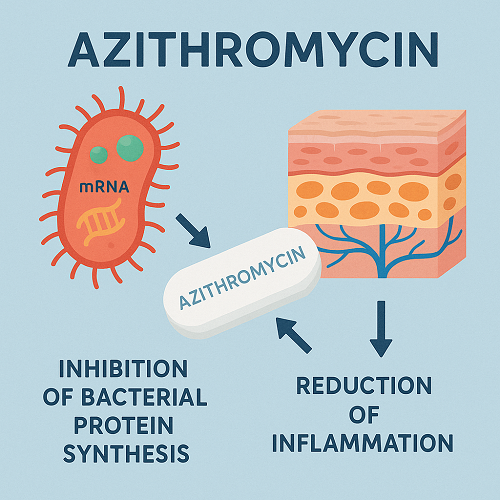
As a macrolide antibiotic, Azithromycin 250mg works by inhibiting bacterial protein synthesis, preventing the bacteria from growing and spreading. It is highly effective against respiratory infections, skin infections, ear infections, and certain STIs like chlamydia. Unlike some antibiotics that require multiple daily doses, Azithromycin has a long half-life, allowing for shorter and more convenient treatment courses.
How Azithromycin 250mg Works in the Body
Azithromycin belongs to the macrolide class of antibiotics, which work by targeting the bacterial ribosome, inhibiting protein synthesis and stopping bacterial growth. Unlike bactericidal antibiotics that kill bacteria outright, Azithromycin is bacteriostatic, meaning it prevents bacteria from multiplying, giving the immune system the opportunity to clear the infection.
Stops bacterial growth by blocking essential protein synthesis
Reduces inflammation and prevents secondary complications
Has a long half-life, allowing for a shorter treatment duration
Because of its broad-spectrum activity, Azithromycin 250mg is used to treat a variety of infections, including:
Respiratory infections – Bronchitis, pneumonia, sinusitis, and tonsillitis
Skin & soft tissue infections – Cellulitis and impetigo
Ear infections – Otitis media
Sexually transmitted infections (STIs) – Chlamydia and gonorrhea
Gastrointestinal infections – Certain cases of bacterial diarrhea and traveler's diarrhea

Why Azithromycin 250mg is a Preferred Choice for Antibiotic Treatment
There are many antibiotics available, but Azithromycin 250mg stands out due to its unique benefits:
1. Broad-Spectrum Coverage – Effectively treats both gram-positive and gram-negative bacteria, making it suitable for various infections.
2. Short Treatment Duration – Unlike other antibiotics that require 7-14 days of treatment, Azithromycin 250mg is typically prescribed for 3-5 days, thanks to its long half-life.
3. Lower Risk of Resistance Compared to Other Macrolides – When used appropriately, Azithromycin maintains its effectiveness while reducing bacterial resistance.
4. Well-Tolerated with Fewer Side Effects – Compared to other antibiotics, Azithromycin causes fewer gastrointestinal side effects.
5. Convenient Dosing Regimen – Requires only one dose per day, improving patient compliance and treatment success.
How to Take Azithromycin 250mg for Best Results
To maximize the effectiveness of Azithromycin 250mg, follow these important guidelines:
Take once daily, either with or without food (though taking it with food may reduce stomach irritation).
Follow the prescribed dosage and duration, even if symptoms improve early. Stopping treatment too soon can lead to antibiotic resistance.
Drink plenty of water to stay hydrated and support the body’s natural healing.
Avoid taking antacids within 2 hours before or after Azithromycin, as they can reduce absorption.
If a dose is missed, take it as soon as possible, but never double dose to make up for the missed one.
Most infections begin to improve within 24-48 hours of starting treatment, but it's essential to complete the full course to ensure complete bacterial eradication.

Possible Side Effects of Azithromycin 250mg
Azithromycin 250mg is generally well-tolerated, but some individuals may experience mild side effects, including:
Nausea or mild stomach discomfort – Taking the medication with food can help.
Diarrhea or loose stools – This is usually temporary and subsides after treatment.
Headache or dizziness – Staying hydrated can reduce discomfort.
Although rare, some users may experience more serious side effects, such as:
Severe allergic reactions (swelling, difficulty breathing, rash) – Seek medical attention immediately.
Irregular heartbeat or chest pain – Contact a doctor if these occur.
Severe diarrhea that persists beyond treatment – This could indicate a secondary infection and requires medical evaluation.
Who Should Avoid Azithromycin 250mg?
While Azithromycin 250mg is safe for most individuals, it should not be used by those who:
Have a known allergy to macrolide antibiotics (e.g., erythromycin or clarithromycin).
Have severe liver disease, as the liver metabolizes the drug.
Have a history of heart rhythm disorders, as Azithromycin can cause QT prolongation in rare cases.
How Azithromycin 250mg Compares to Other Antibiotics
Compared to Amoxicillin – Azithromycin is effective against some bacteria that are resistant to penicillin-based antibiotics.
Compared to Doxycycline – Azithromycin has fewer gastrointestinal side effects and a shorter treatment duration.
Compared to Ciprofloxacin – Azithromycin is safer for general infections and does not carry the same risk of tendon damage.
Final Thoughts – Is Azithromycin 250mg the Right Choice for You?
If you're dealing with a bacterial infection that requires fast, effective treatment, Azithromycin 250mg is one of the best options available. With its broad-spectrum activity, convenient dosing, and high efficacy, it remains a trusted choice among healthcare professionals worldwide.
Always follow your doctor’s instructions carefully, and never use antibiotics without a prescription, as misuse can lead to antibiotic resistance and reduced treatment effectiveness. If you suspect you have an infection that may require Azithromycin 250mg, consult your healthcare provider for proper diagnosis and treatment guidance.