What is Plaquenil 200mg and Why is it Used?
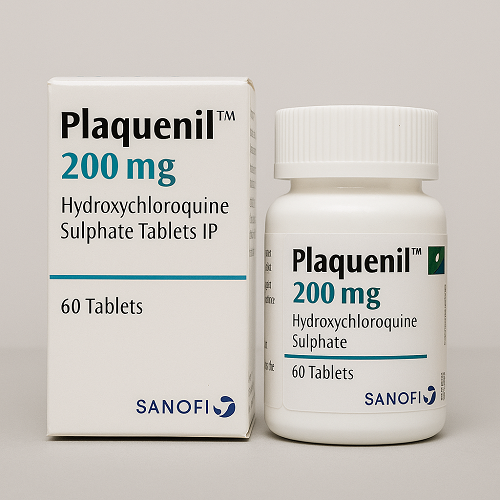
Parasitic infections and autoimmune conditions can significantly impact overall health, causing fatigue, joint pain, skin issues, and more. Plaquenil 200mg is a widely used antiparasitic and immunomodulatory medication that helps treat malaria, lupus, and rheumatoid arthritis.
The active ingredient in Plaquenil 200mg is Hydroxychloroquine 200mg, a quinoline-based drug known for its effectiveness in treating parasitic infections and autoimmune diseases.
Plaquenil 200mg is prescribed for:
Malaria prevention and treatment – Effective against Plasmodium species.
Lupus erythematosus (SLE and discoid lupus) – Reduces inflammation and prevents disease flare-ups.
Rheumatoid arthritis (RA) – Modifies the immune response to decrease joint pain and swelling.
Other immune-related conditions where inflammation needs to be controlled.
This medication is widely used both as a treatment and a preventive measure, making it an essential part of global health strategies.
How Does Plaquenil 200mg Work?
1. Fights Malaria and Parasites
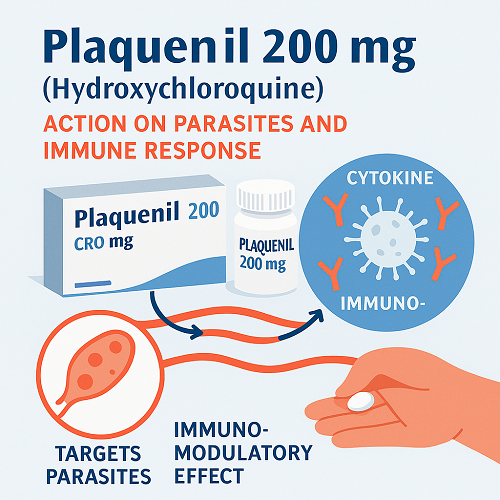
Plaquenil 200mg interferes with parasite metabolism, preventing Plasmodium species from multiplying inside red blood cells. This action kills the parasite and stops the spread of malaria.
2. Modifies Immune Response
For autoimmune conditions like lupus and rheumatoid arthritis, Plaquenil 200mg:
Lowers overactive immune activity, reducing inflammation.
Prevents joint damage in rheumatoid arthritis by modulating T-cell function.
Protects skin and organs in lupus patients by decreasing inflammatory reactions.
3. Reduces Inflammation and Cellular Damage
By acting as an antioxidant, Hydroxychloroquine limits cell damage caused by excessive immune responses, helping to preserve organ function over time.
How to Take Plaquenil 200mg for Best Results

Step 1: Follow the Prescribed Dosage
For malaria prevention, take one tablet (200mg) weekly starting one week before travel and continue for four weeks after returning from a malaria-prone area.
For malaria treatment, the typical dose is 800mg on day 1, followed by 400mg daily for two more days.
For autoimmune diseases, the standard dose is 200-400mg per day, depending on disease severity.
Step 2: Take with Food
Always take Plaquenil 200mg with food or milk to reduce stomach upset.
Step 3: Do Not Crush or Split Tablets
Swallow the tablet whole with a full glass of water.
Step 4: Continue Long-Term Use as Advised
For rheumatoid arthritis and lupus, Plaquenil must be taken continuously for several months before noticeable improvement occurs.
Expected Results and Timeline

First 1-2 Weeks
For malaria, symptoms improve within a few days of treatment.
For autoimmune conditions, early relief from joint pain and fatigue may be noticeable.
Month 1-3
Significant reduction in inflammation and disease progression.
Improved skin clarity in lupus patients.
Lower frequency of malaria relapses in high-risk individuals.
Beyond 6 Months
Long-term prevention of autoimmune disease flares.
Improved joint mobility and reduced pain in rheumatoid arthritis.
Continued malaria resistance for travelers in endemic areas.
Consistency is crucial, especially for chronic conditions like lupus and arthritis.
Plaquenil 200mg vs. Other Antiparasitic & Autoimmune Treatments
Plaquenil 200mg offers several advantages over other treatments:
Safer long-term use than high-dose steroids for autoimmune diseases.
Fewer gastrointestinal side effects compared to chloroquine.
Effective for malaria prevention and treatment, unlike some antibiotics.
Reduces the need for stronger immunosuppressants in lupus and rheumatoid arthritis patients.
However, Plaquenil 200mg is not effective against all parasite infections, such as intestinal worms or protozoa outside the bloodstream.
Possible Side Effects of Plaquenil 200mg
While Plaquenil 200mg is generally well-tolerated, some individuals may experience mild side effects, including:
Nausea, vomiting, or diarrhea
Mild headache or dizziness
Temporary blurred vision or sensitivity to light
Rare but serious side effects include:
Retinal damage (long-term use) – Requires regular eye exams.
Severe skin reactions – Discontinue if rashes or blisters appear.
Heart rhythm abnormalities – Monitor for irregular heartbeats.
Seek immediate medical attention if severe side effects occur.
Precautions and Safety Considerations
Regular Eye Exams Required – Long-term use can affect vision, so eye check-ups every 6-12 months are recommended.
Not for Patients with Heart Conditions – May prolong QT intervals, increasing the risk of heart arrhythmia.
Avoid Alcohol Consumption – Can increase the risk of liver toxicity.
Safe in Pregnancy – Often prescribed during pregnancy for lupus, but consult a doctor.
Not for Individuals with G6PD Deficiency – Can trigger severe anemia.
Lifestyle Tips for Malaria & Autoimmune Disease Management
Taking Plaquenil 200mg can be more effective when combined with healthy lifestyle habits:
For Malaria Prevention:
Use mosquito repellents and wear protective clothing in high-risk areas.
Sleep under mosquito nets to reduce exposure.
Stay in air-conditioned environments when possible.
For Autoimmune Conditions:
Maintain a balanced diet rich in anti-inflammatory foods (fruits, vegetables, omega-3s).
Get regular exercise to prevent joint stiffness.
Avoid triggers like stress and smoking, which worsen inflammation.
Where to Buy Plaquenil 200mg?
Plaquenil 200mg (60 tablets) is available at pharmacies and licensed online retailers. Always purchase from trusted sources to ensure product authenticity.
Expected Price Range:
Between $40 and $100 per 60-tablet pack, depending on the retailer.
Discounts may be available for bulk purchases or subscription plans.
Final Verdict – Is Plaquenil 200mg Worth It?
For individuals dealing with malaria, lupus, or rheumatoid arthritis, Plaquenil 200mg is a trusted and proven solution.
Highly effective for malaria prevention and treatment
Reduces inflammation in autoimmune conditions
Well-tolerated for long-term use with proper monitoring
Convenient dosing with once-daily administration
By using Plaquenil 200mg consistently, individuals can better manage their health and reduce disease progression, leading to a higher quality of life.