Inflammation is a natural defense mechanism, the body's way of fighting infections, injuries, and harmful stimuli. In most cases, inflammation is temporary and resolves on its own once healing occurs. However, when inflammation becomes chronic, it starts harming the body instead of protecting it.
Chronic inflammatory diseases such as rheumatoid arthritis, asthma, lupus, and inflammatory bowel disease occur when the immune system mistakenly attacks healthy tissues, leading to persistent pain, swelling, and organ damage. This is where Prednisolone becomes a critical medication—it acts as a potent anti-inflammatory and immunosuppressive agent, helping patients regain control over their health.
✓ Prednisolone is a corticosteroid that mimics cortisol, a hormone naturally produced by the adrenal glands. It plays a crucial role in reducing inflammation, suppressing overactive immune responses, and preventing long-term tissue damage. For those with chronic illnesses, Prednisolone is often a life-changing treatment.
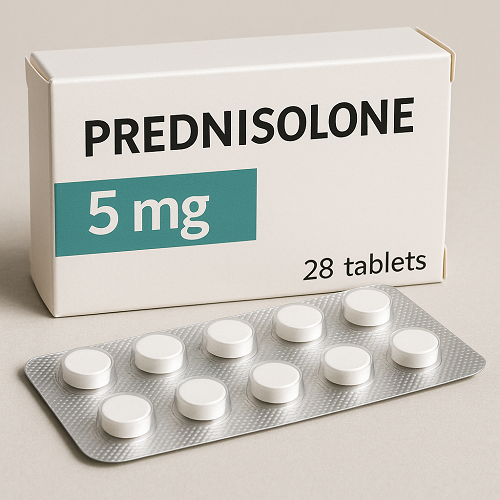
How Prednisolone Works in the Body
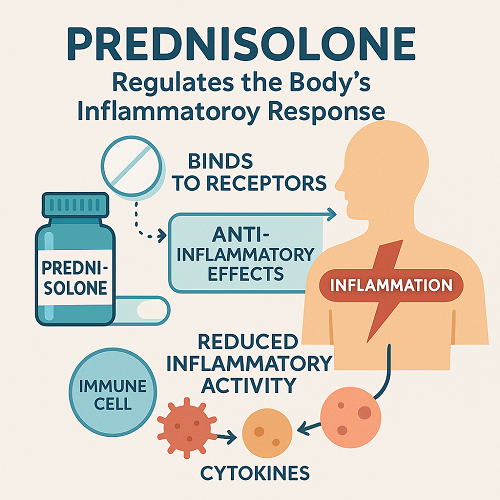
When inflammation spirals out of control, the body needs external assistance to regulate it. Prednisolone suppresses the release of inflammatory chemicals, reducing symptoms such as pain, swelling, redness, and tissue damage.
✓ Blocks inflammatory cytokines – Prevents immune cells from attacking healthy tissues.
✓ Reduces swelling – Lowers fluid buildup and pressure in affected areas.
✓ Suppresses hyperactive immune responses – Prevents the immune system from overreacting.
✓ Regulates cortisol levels – Supports the body’s stress response and metabolism.
These actions make Prednisolone a first-line treatment for autoimmune and inflammatory disorders, offering rapid relief for patients who would otherwise suffer from debilitating symptoms.

Conditions That Benefit from Prednisolone
Prednisolone is widely prescribed for various inflammatory and autoimmune diseases. Some of the most common conditions include:
✓ Rheumatoid Arthritis (RA) – Reduces joint inflammation, pain, and stiffness.
✓ Asthma & COPD – Helps relax airways and prevent severe attacks.
✓ Lupus (SLE) – Controls immune attacks on organs such as the skin, kidneys, and heart.
✓ Inflammatory Bowel Disease (Crohn’s & Ulcerative Colitis) – Reduces gut inflammation and flare-ups.
✓ Multiple Sclerosis (MS) – Minimizes nerve inflammation and preserves function.
✓ Severe Allergic Reactions – Provides emergency treatment for anaphylaxis.
For patients dealing with these chronic conditions, Prednisolone is often the only effective solution for controlling inflammation and maintaining quality of life.
Proper Dosage and Administration of Prednisolone
Prednisolone should always be taken under medical supervision, as dosage varies depending on the severity of the condition and the patient’s response.
✓ Typically taken once daily in the morning to mimic the body's natural cortisol cycle.
✓ Best taken with food to reduce stomach irritation.
✓ Dosage depends on the condition, ranging from low maintenance doses to high doses for severe flare-ups.
✓ Tapering is essential—never stop suddenly, as withdrawal symptoms can occur.
Doctors often prescribe short-term high doses for acute conditions and lower doses for long-term maintenance. Patients should follow their healthcare provider’s instructions to avoid complications.

Potential Side Effects of Prednisolone
Like all powerful medications, Prednisolone comes with potential side effects, especially when used for extended periods or at high doses. Understanding these risks is key to managing treatment effectively.
✓ Short-Term Side Effects
Increased appetite and potential weight gain
Insomnia or mood changes
Increased blood sugar levels
Fluid retention and bloating
✓ Long-Term Side Effects (With Prolonged Use)
Osteoporosis and bone thinning
Suppressed immune function, increasing infection risk
Adrenal suppression, making the body reliant on Prednisolone
High blood pressure and cardiovascular issues
To minimize side effects, doctors carefully adjust the dosage and duration of treatment, ensuring that Prednisolone is used only as long as necessary.
Prednisolone vs. Other Anti-Inflammatory Medications
Prednisolone is one of the most potent and widely used corticosteroids, but how does it compare to other treatments?
✓ NSAIDs (Ibuprofen, Aspirin, Naproxen) – These provide mild pain relief but do not suppress the immune system like Prednisolone. They are often used for minor inflammation but are not effective for autoimmune conditions.
✓ Biologic Drugs (Humira, Enbrel, Remicade) – These target specific immune pathways, reducing inflammation at a deeper level. While effective, biologics can be expensive and require injections. Prednisolone, in contrast, acts quickly and is widely available in tablet form.
✓ Immunosuppressants (Methotrexate, Azathioprine) – These are used for long-term disease management but take weeks to become effective. Prednisolone, however, works immediately, making it the preferred option for acute flare-ups.
While newer medications exist, Prednisolone remains a crucial treatment, offering rapid relief and affordability.
Who Should Avoid Prednisolone?
Although Prednisolone is highly effective, it may not be suitable for everyone. Patients with the following conditions should use it cautiously or avoid it altogether:
✓ Uncontrolled diabetes – Can increase blood sugar levels.
✓ Severe osteoporosis – Long-term use can weaken bones.
✓ Glaucoma – Can increase eye pressure.
✓ Active infections – Suppresses the immune system, increasing risk.
Patients should always consult their doctor before taking Prednisolone to ensure it is safe for their specific health conditions.
Final Thoughts: Is Prednisolone Right for You?
Chronic inflammatory diseases require long-term management, and Prednisolone plays a critical role in reducing inflammation, preventing damage, and improving quality of life.
✓ Fast-acting relief for autoimmune and inflammatory diseases.
✓ Widely prescribed corticosteroid with a long history of effectiveness.
✓ Essential for conditions where inflammation poses serious risks.
However, Prednisolone should always be taken responsibly, under medical supervision, and for the shortest duration necessary to manage symptoms.
If you or someone you know suffers from a chronic inflammatory or autoimmune condition, Prednisolone may be the key to regaining health and stability. Consult a healthcare provider today to determine if Prednisolone is the right choice for your treatment plan.