Safe Usage & Dosage Recommendations
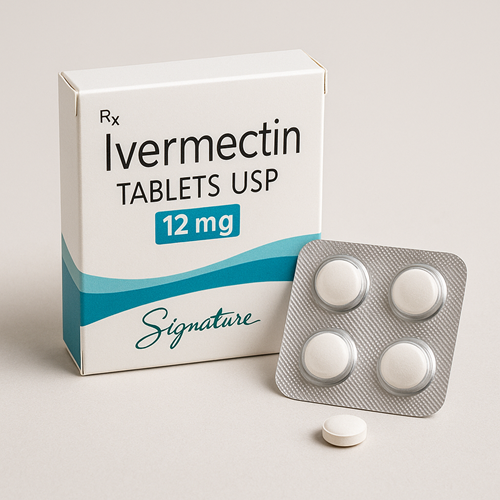
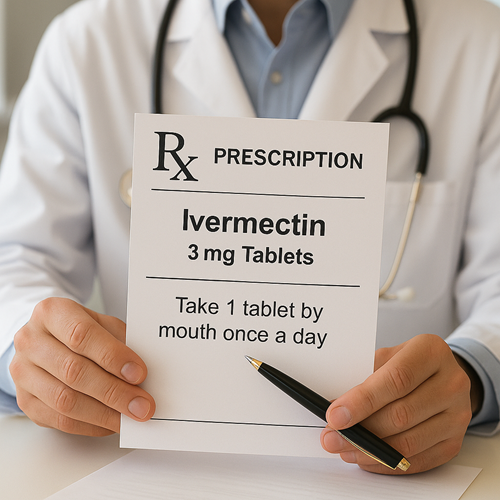
Before using Ivermectin, it is essential to consult a healthcare professional. The appropriate dosage varies based on body weight, infection type, and medical history. The medication is available in different strengths, and a doctor will determine the correct dosage and duration.
How Ivermectin Works
Ivermectin acts by inhibiting the host’s importin alpha/beta-1 nuclear transport proteins, which are involved in intracellular viral transport. This mechanism prevents viruses from suppressing the host’s immune response, thereby reducing the risk of severe infections. Additionally, its anti-inflammatory properties may offer benefits in certain conditions.
Is Ivermectin Safe for Humans?
Ivermectin is considered safe when taken under proper medical supervision. However, it is important to note that the FDA has not approved Ivermectin for viral infections. Self-medication or incorrect dosing may lead to adverse reactions or ineffective treatment. Always follow a doctor’s guidance regarding dosage, frequency, and duration.
Common Ivermectin Dosage Prescriptions
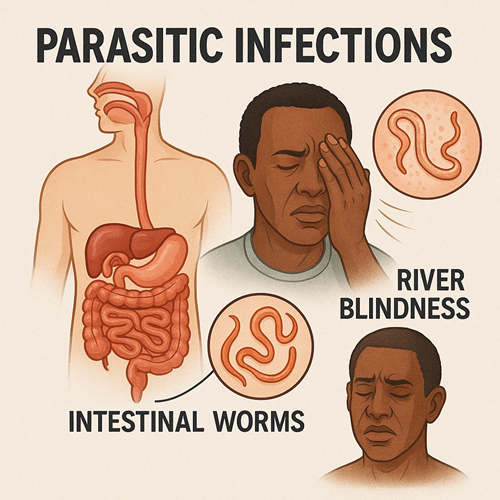
Ivermectin is typically prescribed for the following conditions:
Onchocerciasis (River Blindness)
Strongyloidiasis
Cutaneous Larva Migrans (CLM)
Filariasis
Ascariasis
Scabies
The dosage may vary depending on the severity of infection and patient’s body weight. Following the full treatment course is necessary to prevent reinfection or resistance.
Potential Side Effects of Ivermectin
While side effects are generally mild, some individuals may experience:
Common Side Effects: Headache, dizziness, nausea, diarrhea, and muscle pain.
Onchocerciasis-Specific Reactions: Itching, rash, swollen lymph nodes, eye swelling/redness, fatigue, and fever.
Rare but Serious Effects: Vision changes, severe allergic reactions, or neurological symptoms.
Most side effects fade as the body adjusts to the medication, but if symptoms persist or worsen, seek immediate medical attention.
Conclusion
Ivermectin is a widely used antiparasitic medication, but it should only be taken under a doctor’s supervision. Incorrect dosing or self-medication can lead to adverse effects. If prescribed, always follow the recommended dosage and complete the full treatment course for effective results.