A healthy erection is a vital part of a man's sex life. Being able to achieve a penile erection easily is considered a sign of a healthy relationship between partners. However, sometimes, random erections without sexual stimulation can signal a more serious issue. Erection occurring unexpectedly can be both embarrassing and a potential sign of erectile dysfunction. As men age, sexual health declines in stages, starting from issues with desire and arousal, and later affecting all aspects of sexual health, including erectile function, ejaculation, and orgasm. ED can severely affect a man’s relationship as well as his emotional and psychological well-being. If you’re facing this issue, proper diagnosis and treatment should be a priority.
When does a man get an erection?
Men typically get an erection when they are sexually stimulated. The brain sends signals to the arteries in the penis, causing them to widen and allow blood to fill the penis, resulting in an erection. An erect penis appears larger, harder, and stands away from the body. An erection can also curve up, down, or to the side. Erections can occur from physical stimulation or even just thinking about sexual thoughts.
What causes an erection and erectile dysfunction?
Random erections, such as those occurring during sleep, are common in teenagers. This is a normal physiological response and decreases as men get older. During REM sleep (Rapid Eye Movement), men often experience multiple erections. The reason is believed to be related to the bladder being full, which stimulates nerves that are similar to those responsible for erections. These spontaneous erections are linked to fluctuations in testosterone levels, the male sex hormone responsible for erections. When testosterone levels rise, it can trigger random erections at any time of the day. However, if a man experiences spontaneous erections but struggles with performance during intimacy, it could indicate erectile dysfunction.
Experiencing random erections is normal at any age, especially during sleep. But if this becomes a frequent issue, it might be a sign of ED. ED can be distressing, but occasional difficulty achieving an erection, particularly when tired, stressed, or after drinking, is not necessarily a cause for concern. If the problem persists, however, it should be addressed.
Common Causes of ED
Physical causes
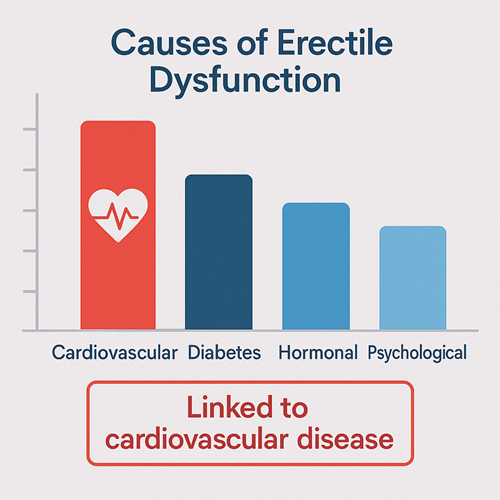
Cardiovascular diseases – Narrowed blood vessels restrict blood flow to the penis, causing ED.
Diabetes – High blood sugar levels over time can damage nerves and blood vessels, leading to ED.
Hormonal imbalances – Low testosterone or other hormone imbalances (such as thyroid issues) can impair erectile function.
Neurological disorders – Conditions like Parkinson’s disease and spinal cord injuries can interfere with the nerve signals needed for an erection.
Chronic kidney problems – These can cause hormonal imbalances, nerve damage, and poor blood circulation, all contributing to ED.
Obesity – Excess weight can impact circulation, hormones, and overall health, leading to ED.
Medications – Certain medications, including antidepressants and antihypertensives, may interfere with erectile function.
Sleep disorders – Conditions like sleep apnea can reduce testosterone levels and affect sexual function.
Pelvic surgery or injury – Surgery or injuries to the pelvis can damage the nerves or blood vessels necessary for an erection.
Psychological causes
Stress and anxiety – Performance anxiety or stress can lead to ED, particularly in high-pressure situations.
Depression – It can reduce libido, lower energy levels, and make erections more difficult.
Relationship issues – Emotional issues with a partner, such as poor communication or lack of intimacy, can trigger ED.
Past trauma – Previous sexual abuse or negative experiences can have long-term effects and contribute to ED.
Lifestyle factors contributing to ED
Smoking – Smoking damages blood vessels and hampers circulation.
Alcohol use – Excessive drinking can impair nerve function and lead to ED.
Drug use – Recreational drugs like cocaine or marijuana can negatively impact erectile function.
Lack of physical activity – A sedentary lifestyle affects circulation, hormones, and overall health, contributing to ED.
Poor diet – Diets high in fats, sugars, and processed foods can lead to obesity, high blood pressure, and diabetes, which are common causes of ED.
Age-related factors
As men age, the likelihood of ED increases due to:
Decreased testosterone levels.
Reduced blood flow to the penis.
Increased risk of chronic diseases.
Other medical conditions
Peyronie’s disease – Scar tissue in the penis that causes painful erections.
Chronic substance abuse – Alcoholism or drug addiction can impair erectile function.
Prostate issues – Benign prostatic hyperplasia (BPH) or prostate cancer treatments can affect erectile function.
Psychosocial factors
Cultural or societal pressure – Social expectations about masculinity and sexual performance can exacerbate ED.
Stress and overwork – High levels of stress can reduce libido and impair sexual function.
How is ED Managed and Treated?
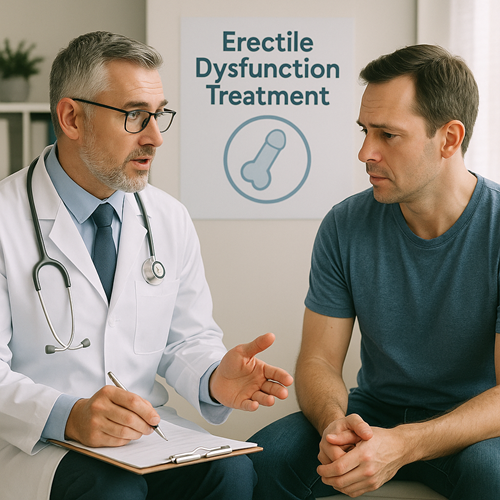
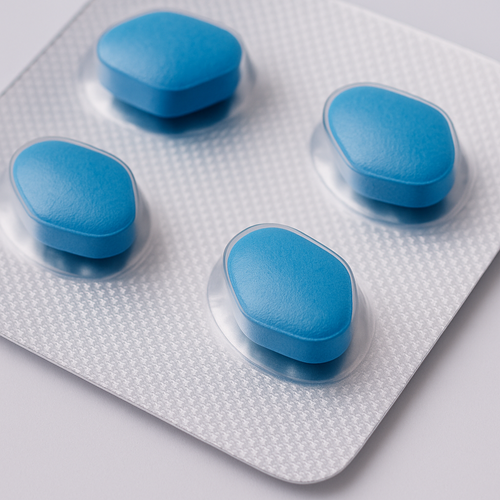
Your urologist will work with you to identify the underlying causes of ED and develop an appropriate treatment plan. Medications like Sildenafil, Vardenafil, and Tadalafil are common treatments for ED. Dosage varies depending on the severity of the condition, and these medications can help you safely address erectile issues. In addition to medications, other treatments for ED include herbal remedies, testosterone replacement therapy, psychotherapy, and even devices like vacuum pumps. It's important to consult your doctor to discuss which treatment is best for you.