Usage Information of Hydroxychloroquine 200 mg Tab
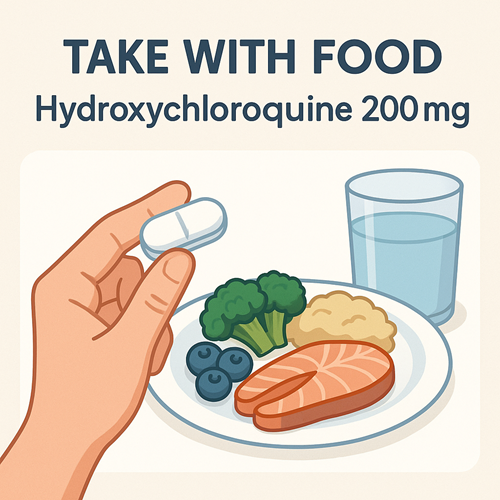
Hydroxychloroquine comes in tablet form, with a typical dose of 200mg for treating rheumatoid disorders. In some cases, doctors may recommend higher doses based on the patient's condition. It can be consumed as a single dose or divided into two doses. It is advised to take this medication with food. Relief from symptoms usually begins within one to two months, but the full therapeutic effects might take up to six months.
Precautions to be Taken During Hydroxychloroquine Treatment
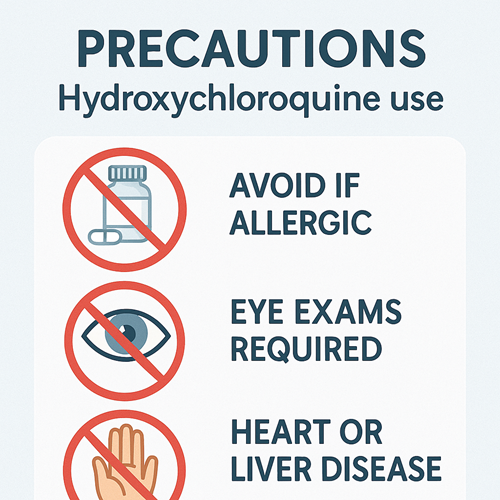
Hydroxychloroquine 200 tablets should not be used in patients with known hypersensitivity to 4-aminoquinoline compounds or retinal and visual field changes. It should also be avoided as a long-term therapy in children.
Children are especially sensitive to Hydroxychloroquine. Accidental ingestion, even in small amounts, has led to fatalities, so it is crucial to keep this medication out of children's reach.
In patients with psoriasis, Hydroxychloroquine may trigger a severe flare-up. The drug can also worsen conditions in individuals with porphyria. It should only be used in such cases if the potential benefits outweigh the risks, as determined by the doctor. During pregnancy, 4-aminoquinoline compounds should be avoided unless they are necessary to suppress or treat malaria, where the benefits are greater than the risks. Caution is required when using antimalarial drugs in patients with liver disease, alcoholism, or those on hepatotoxic medications. Blood counts should be monitored, especially during prolonged therapy. If significant blood disorders occur, discontinuation of the drug may be necessary. Special caution is required for patients with glucose-6-phosphate dehydrogenase deficiency.
Side Effects of Hydroxychloroquine 200 mg Tab
Hydroxychloroquine 200 tablets are generally safe and well-tolerated. Serious side effects are rare. The most commonly reported effects include diarrhea and nausea, which typically resolve over time. Other side effects can include muscle weakness, rash, and changes in skin pigmentation. In rare cases, it may cause anemia, particularly in patients with G6PD deficiency or porphyria. Visual changes can also occur, especially in patients over 60 years old, those with hepatic or renal issues, and individuals with underlying retinal diseases.