Is there a cure for Parkinson’s Disease?
There is currently no cure for Parkinson’s disease, and no treatments can slow the progression of the disease. Available treatments focus on reducing symptoms and are not capable of reversing the condition. The goal of Parkinson’s treatment is to manage symptoms and improve the patient's quality of life. Although the disease has common symptoms, it can manifest differently in each individual. Treatment is highly personalized to meet the needs of each patient and may include medications, physical exercise, occupational therapy, speech and language therapy, dietary changes, surgery, and alternative treatments.
Diagnosis of Parkinson’s Disease
Receiving a diagnosis of Parkinson’s disease can be life-changing, and it may feel overwhelming. However, staying informed and engaged with ongoing clinical research can help you regain control.
Diagnosing Parkinson’s disease can be challenging, especially when symptoms are mild. It often begins with subtle signs that many healthcare professionals may overlook. A definitive diagnosis can be made as symptoms worsen or become more apparent.
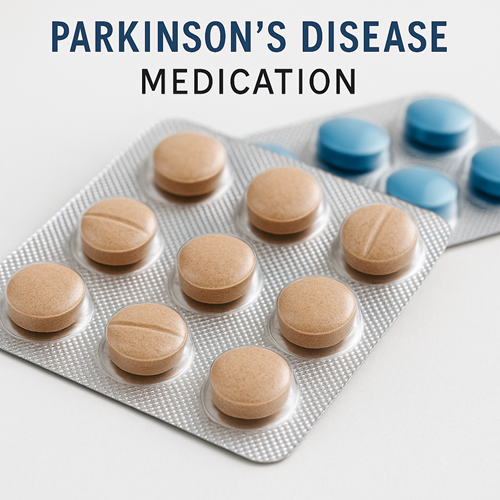
In the case of Parkinson’s disease, treatment is typically recommended once symptoms begin to interfere with daily life. Working with your healthcare provider to develop a treatment plan tailored to your needs is crucial. Treatment plans may include medications, surgery, and lifestyle changes. Medications for Parkinson’s disease primarily aim to increase dopamine levels in the brain or mimic dopamine’s action. For example, Levodopa is a medication that converts into dopamine in the brain, helping control movements. Other Parkinson’s medications include dopamine agonists, which directly stimulate the brain areas that respond to dopamine. Another class of drugs commonly used includes anticholinergics.
What is the Role of Physical, Occupational, and Speech Therapy?
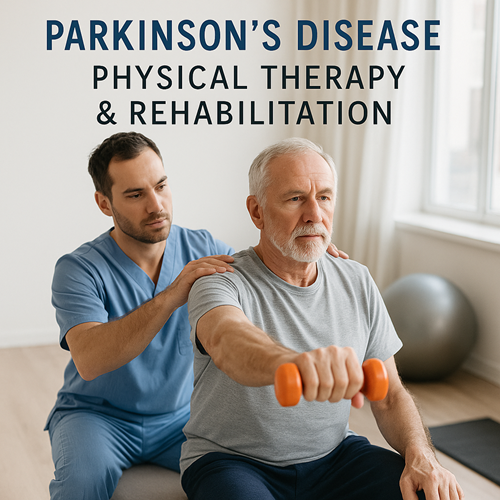
Regular exercise and physical therapy are critical in managing Parkinson’s disease. Physical therapy provides an effective exercise regimen to improve mobility and movement. Occupational therapy helps maximize fine motor skills, making daily tasks easier. Speech therapy addresses the speech and language challenges that often arise in Parkinson’s patients.
What Lifestyle Modifications are Required for Parkinson’s Patients?
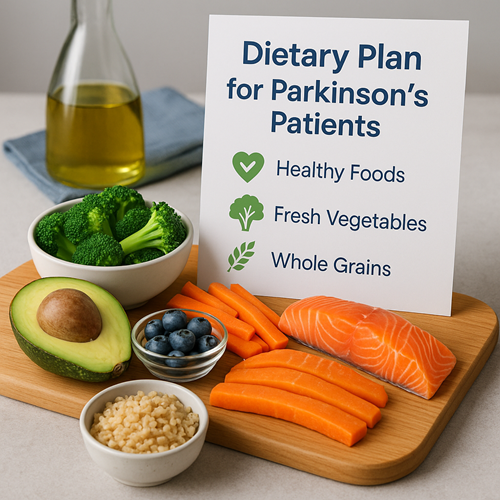
A healthy diet can enhance energy levels, improve medication effectiveness, and support overall health. Proper nutrition is essential for individuals with Parkinson’s disease. Increasing fiber intake and drinking plenty of water can help prevent constipation. Eating small, frequent meals can also help manage blood pressure drops that may cause dizziness when standing up quickly. Making dietary adjustments can also aid in weight management, and speaking with a nutritionist can provide further guidance on how to optimize your diet.
Alternative Treatment for Parkinson’s
Complementary and alternative treatments, including conventional medicines, aim to alleviate Parkinson’s symptoms. While there is limited data supporting the effectiveness of these treatments, many individuals with Parkinson’s find them helpful in managing their symptoms. Popular alternative approaches include yoga, massage, and meditation.
Care for Yourself
Living with Parkinson’s requires physical and emotional support. Over time, adapting to your changing needs is key to maintaining health. Parkinson’s is a complex condition that benefits from an interdisciplinary care approach. Your care team should include a psychologist, neurologist, therapists trained in physical, occupational, and speech therapy, a physiotherapist, and a nutritionist. Working collaboratively with your healthcare team will help you achieve the best results.