That said, digestive problems aren't exclusive to older individuals. Everyone can face digestive issues, including diarrhea, irritable bowel syndrome (IBS), constipation, and stomach flu. Below are some causes and remedies for an upset stomach:
Diarrhea
Diarrhea occurs when the food and liquids ingested pass through the colon too quickly or in large amounts. It leads to frequent, loose, and watery stools, often accompanied by abdominal cramps, fever, blood in the stool, and bloating. It's a condition everyone will experience at some point in life. Common causes include:
Viruses: Viruses such as Norwalk virus and viral hepatitis are common causes of diarrhea.
Bacteria and parasites: Contaminated food and water can introduce harmful bacteria and parasites to the body. This is particularly common in developing countries, often referred to as traveler’s diarrhea.
Surgeries and medications: After abdominal surgeries or the removal of the gallbladder, some people experience diarrhea. Certain medications, like antibiotics, can also cause diarrhea by disrupting the balance of gut bacteria.
Remedies for Diarrhea
The key to managing diarrhea is to prevent dehydration. Drink plenty of fluids such as water, fruit juices, and chicken or beef broth. Avoid fatty foods, sweets, coffee, and dairy products during diarrhea. For severe cases, consulting a doctor for antibiotics may be necessary.
Irritable Bowel Syndrome (IBS)
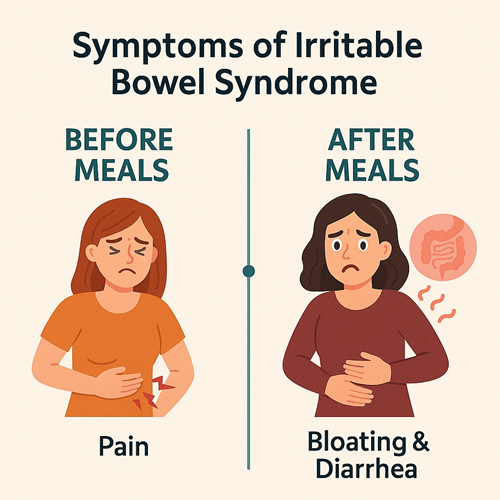
IBS is a common disorder, affecting approximately 55 million Americans. It impacts the large intestine and causes symptoms like cramping, abdominal pain, bloating, and alternating diarrhea and constipation. The exact causes of IBS are unclear, but several factors contribute:
Foods: Certain foods like chocolate, beans, spicy foods, alcohol, and carbonated drinks can trigger IBS.
Hormones: Women are more likely to experience IBS, with symptoms often occurring around their menstrual cycle.
Other illnesses: Conditions such as infections or an imbalance of gut bacteria can trigger IBS.
Remedies for IBS
Managing IBS typically involves dietary changes, such as reducing caffeine and increasing fiber intake. Medications like antispasmodics and laxatives are also commonly used to relieve symptoms.
Constipation
Constipation is characterized by difficulty in passing stool and is a common digestive problem. About 2% of Americans experience constipation annually. Some of the primary causes include:
Diet: Low-fiber diets and inadequate fluid intake are major causes of constipation.
Medication: Certain medications, like antidepressants and antispasmodics, can cause constipation as a side effect.
Psychological factors: Emotional stress or avoiding bowel movements can lead to constipation.
Prevention and Treatment for Constipation
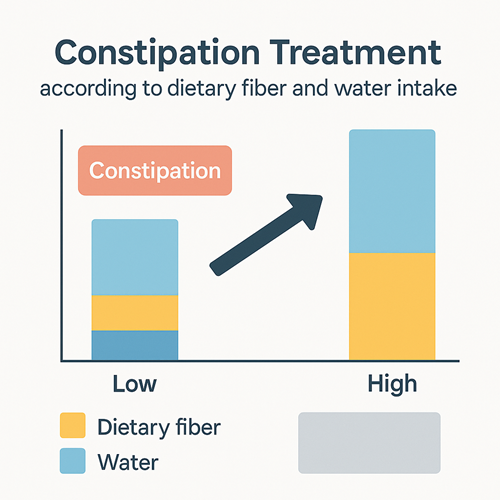
Increasing water and fiber intake can help relieve constipation. If dietary changes are ineffective, over-the-counter laxatives can be used. In some cases, doctors may recommend physical treatments to remove stool when other methods fail.
Stomach Flu (Gastroenteritis)
Stomach flu, or gastroenteritis, is a common issue that leads to symptoms such as nausea, vomiting, diarrhea, and abdominal pain. It’s caused by viruses or bacteria that irritate and inflame the stomach and intestines. Common causes of stomach flu include:
Food allergies: Common allergens such as eggs, milk, and shellfish can cause stomach issues.
Antibiotics: Certain antibiotics can disrupt the balance of gut bacteria, leading to stomach flu.
Remedies for Stomach Flu
Rest is the most important remedy for stomach flu, as it helps the body recover. Eating light foods like crackers, rice, and potatoes, and drinking clear liquids can alleviate symptoms. For nausea and vomiting, oral rehydration solutions (ORS) and acetaminophen may be recommended.
If you have friends or family members who frequently deal with an upset stomach, share this blog with them for helpful information. You can also leave comments below to engage with others on this topic.