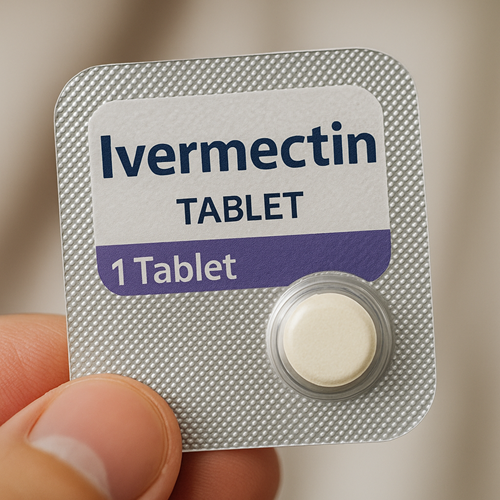
Mode of Action of Ivermectin
Ivermectin works by binding to specific neurotransmitter receptors found in the peripheral motor synapses of parasites. It acts against ectoparasites by inducing paralysis through the suppression of nerve impulses in the synapses of nematodes and the nerve-muscle synapses of insects.
Usage Information
Ivermectin is absorbed rapidly when taken orally and should be consumed on an empty stomach. It is recommended that you take the tablet 30 minutes before or two hours after a meal, with plenty of water. For optimal results, it’s crucial to follow the prescription directions carefully. Do not exceed the recommended dose, and take the medication at regular intervals. Even if you feel better, do not skip doses or stop treatment early unless advised by your doctor. Continue with your usual diet unless instructed otherwise by your healthcare provider.
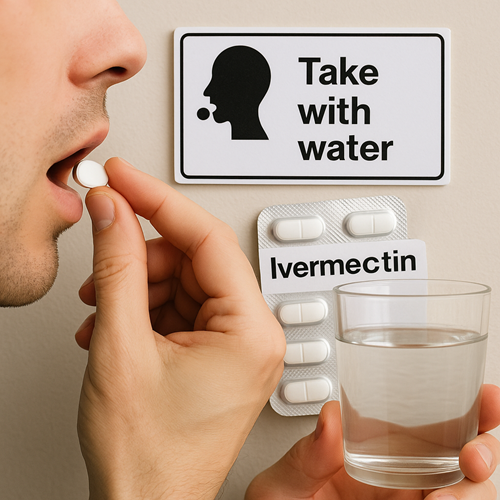
If using Ivermectin for children, consult with your pediatrician, as special care may be necessary for treating parasitic worm infections. If you believe you’ve taken too much Ivermectin, contact your doctor immediately. Your doctor may perform tests to determine whether the infection has been cleared. Keep in mind that poor hygiene can increase the risk of parasitic infections, so make sure to wash your hands regularly, clean your nails, and shower frequently. Additionally, wash your clothes daily and disinfect areas like toilets to prevent reinfection.
Drug Interactions
Ivermectin may interact with blood-thinning medications like warfarin. When combined with doxycycline, it can effectively treat onchocerciasis in humans, but this combination should be avoided unless recommended by your doctor. Be sure to inform your doctor about all medications, including herbal supplements, vitamins, and dietary supplements, that you are currently taking. Inform them if you smoke, consume alcohol, or use illicit drugs, as these factors could potentially interact with Ivermectin and cause complications.
What You Should Know
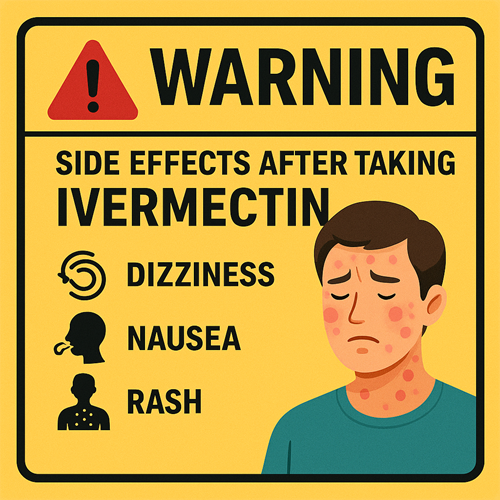
Your doctor may request lab tests to monitor how your body is responding to Ivermectin. It’s important to keep a list of all medications you’re currently using—both prescription and non-prescription—along with any herbal products. This list should be brought to each visit to your doctor. Store Ivermectin in its original packaging, out of the reach of children, and at room temperature, away from excess heat and moisture. Dispose of any unused medication properly, ensuring that it is out of reach of children, pets, and others. If you suspect an overdose, contact your doctor immediately.