If the plaque ruptures, a blood clot can form on its surface. A large blood clot may partially or completely block blood flow through a coronary artery. Over time, ruptured plaque can also harden and narrow the arteries further. When the flow of oxygen-rich blood to the heart muscle is compromised or blocked, it can lead to a heart attack or angina.
Angina is chest pain or discomfort, often described as squeezing or pressure in the chest. The pain can radiate to the shoulders, arms, neck, jaw, or back. Sometimes, angina can feel similar to indigestion.
A heart attack occurs when the flow of oxygenated blood to a portion of the heart muscle is blocked. If the blood flow is not restored quickly, that part of the heart muscle begins to die. Without immediate treatment, a heart attack can result in severe health complications or even death.
Over time, CHD can weaken the heart muscle, potentially leading to arrhythmias (irregular heart rhythms) or heart failure. Heart failure occurs when the heart is unable to pump enough blood to meet the body’s needs, while arrhythmia refers to irregularities in the heart rate or rhythm.
Home Remedies for Coronary Heart Disease

Garlic
Numerous studies have shown garlic to be beneficial for conditions like coronary heart disease, high cholesterol, and high blood pressure. Garlic helps improve circulation and has antithrombotic and antiplatelet effects, making it a heart-healthy choice.
To incorporate garlic into your diet, eat one or two freshly crushed garlic cloves daily. If the taste is too strong for you, drinking a glass of milk afterward can help reduce the flavor.
Turmeric
Turmeric, known for its active ingredient curcumin, can help prevent atherosclerosis by reducing cholesterol oxidation, plaque buildup, and clot formation. Regular consumption of turmeric can support heart health.
You can use turmeric in your cooking or boil one teaspoon of turmeric powder in one cup of water or milk. Drink this mixture once or twice daily for several weeks or months to help improve heart health.

Alfalfa
Alfalfa has been shown to help prevent cardiovascular problems by lowering cholesterol levels and reducing plaque build-up in the arteries.
Drinking alfalfa tea or juice extracted from its leaves a few times a day over several months can significantly benefit heart health.
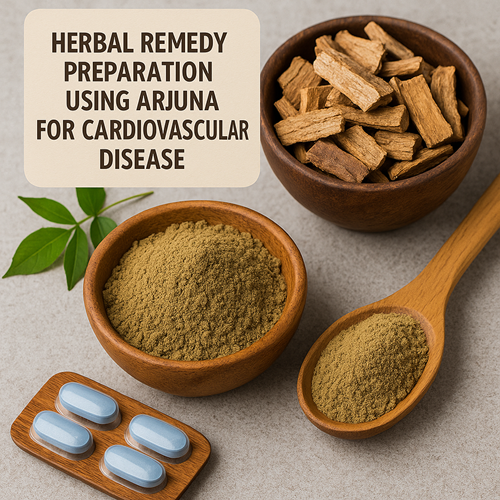
Arjuna
Arjuna is a potent Ayurvedic herb known for its cardio-tonic properties. It helps strengthen the cardiac muscle and reduce arterial congestion, promoting overall heart health.
Add one-half teaspoon of Arjuna tree bark powder to a glass of lukewarm water, along with a little honey. Drink this two times daily for a few months for optimal results.
Conclusion
You can incorporate these natural remedies to help manage coronary heart disease at home. However, if you experience an emergency, it is crucial to seek medical attention immediately. Your doctor can provide the necessary guidance and treatment to manage your condition effectively.