There is no permanent cure for herpes. That much hasn’t changed.
But what has changed is how effectively outbreaks can be managed—especially when treatment starts early and is used correctly.
For many people dealing with recurring cold sores or herpes outbreaks, topical antiviral creams, particularly those containing acyclovir, have become a practical, first-line solution.
Not because they “erase” the virus, but because they reliably shorten outbreaks and reduce how intense they feel.
This article explains how antiviral creams actually work, when they help the most, and what real users report from long-term or repeated use.
Why Cold Sores Keep Coming Back
Cold sores are most commonly caused by herpes simplex virus type 1 (HSV-1), though HSV-2 can also be involved. Once the virus enters the body, it remains dormant in nerve tissue and can reactivate when the immune system is stressed—due to illness, lack of sleep, sun exposure, or emotional stress.
Before a sore becomes visible, many people feel early warning signs like tingling, tightness, or burning in the same spot every time. That early window matters more than most people realize.
How Antiviral Creams Actually Work
Topical antiviral creams don’t kill the virus and don’t remove it from your body. Instead, they interrupt viral replication at the skin level.
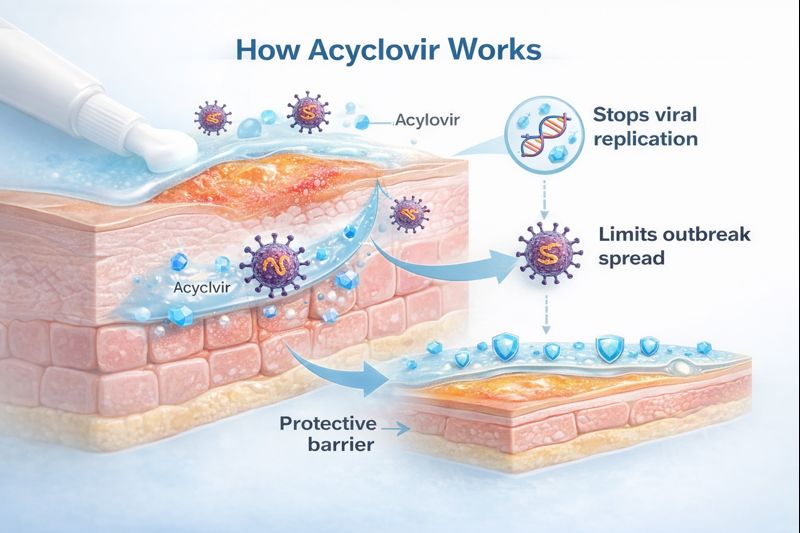
Acyclovir, the most commonly used ingredient, enters infected skin cells and blocks the virus from copying itself. When fewer viral particles are produced, sores tend to stay smaller, heal faster, and cause less pain.
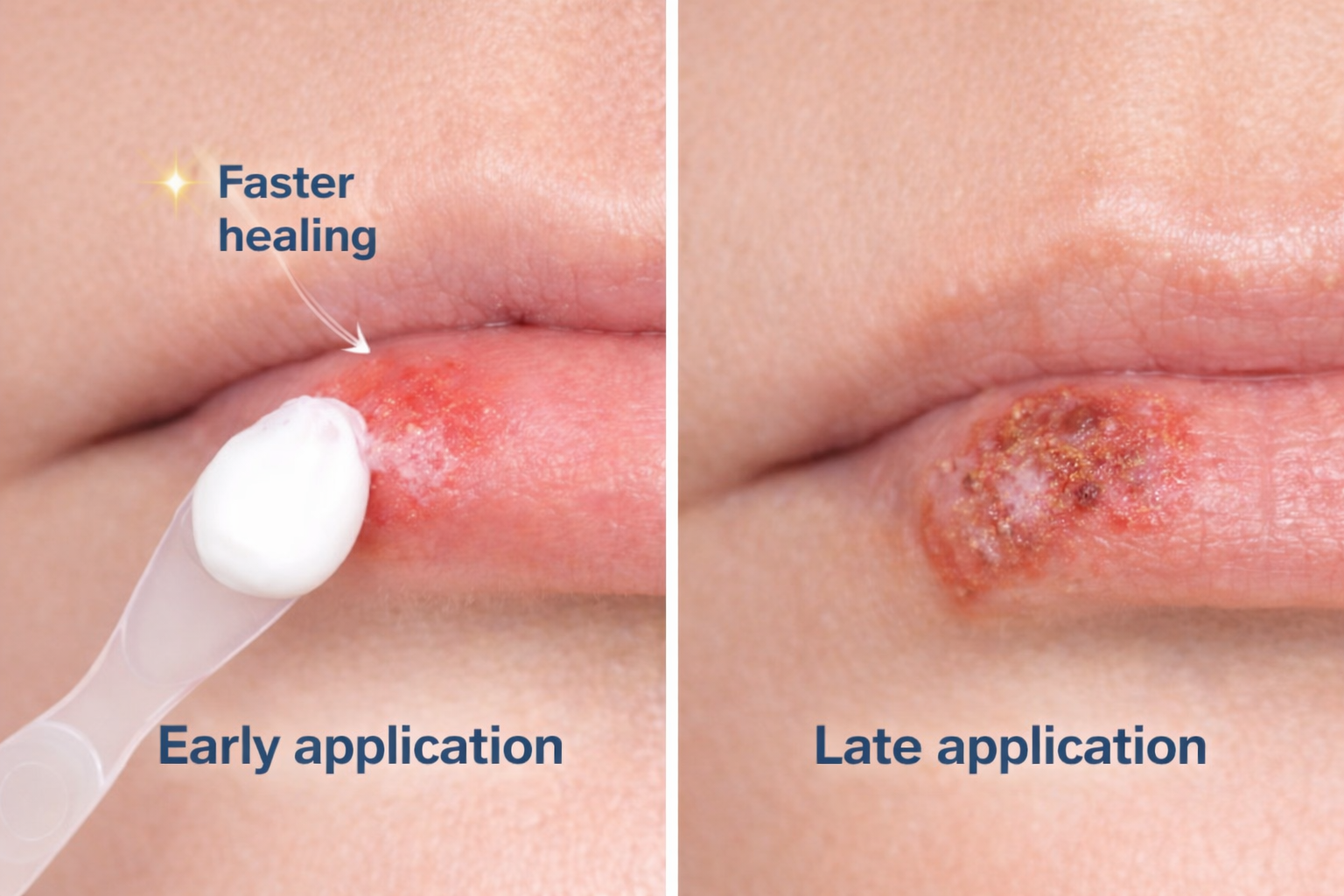
The key is timing. The earlier antiviral cream is applied—ideally at the first tingling or redness—the more effective it tends to be.
Can You Use Antiviral Cream Regularly or Preventively?
This is a question that comes up frequently, especially among people with recurrent outbreaks.
A recent Reddit discussion highlights this exact concern. One user asked whether applying antiviral cream once or twice daily around the lips—similar to taking daily antiviral pills—could help prevent cold sore recurrence. They were worried about side effects and whether long-term use was safe.
In the same thread, another user responded that they do apply antiviral cream regularly to their usual outbreak area,
even outside of active flares. When asked how long they had been doing this and whether they noticed side effects, they reported continued use without significant issues.
While this kind of anecdotal experience doesn’t replace medical advice,
it reflects a common real-world pattern: some people use antiviral cream not only during visible outbreaks, but also during early warning phases or on high-risk areas.
Clinically, antiviral creams are generally considered safe when used as directed. However, they are not officially intended for indefinite daily preventive use, unlike oral suppressive therapy.
Overuse may lead to skin irritation or reduced effectiveness, which is why most healthcare providers still recommend using topical antivirals primarily during outbreaks or prodromal stages.
How to Use Antiviral Cream Effectively
For best results, antiviral cream should be applied as soon as early symptoms appear. Clean hands before and after application, and apply a thin layer directly to the affected area multiple times per day, usually every four hours.
Avoid applying the cream to the eyes or inside the mouth. Treatment typically lasts four to five days, though some cases may require up to ten days under medical guidance.
For genital herpes, similar principles apply. Consistency matters, and stopping treatment too early can delay healing.
What Antiviral Creams Can—and Can’t—Do
Antiviral creams can reduce pain, shorten healing time, and limit how severe outbreaks become. What they cannot do is eliminate the virus or guarantee that outbreaks will never return.
They also do not fully prevent transmission to others, especially during active outbreaks or skin-to-skin contact. Caution and awareness remain important.
Final Thoughts
Antiviral creams are most effective when used early, thoughtfully, and consistently. Real-world users often find them valuable not just for visible sores, but for managing the earliest signs of recurrence.
They aren’t a cure—and they aren’t a magic shield—but for many people, they are a reliable tool that makes herpes outbreaks shorter, milder, and easier to live with.
If outbreaks are frequent or severe, combining topical treatment with medical guidance can make a meaningful difference.