Prostate cancer is one of the most commonly diagnosed cancers in men, yet it often develops silently. Many men only discover the condition after routine screening—long before any noticeable symptoms appear. Understanding how prostate cancer progresses, what warning signs may emerge, and when to take action is critical for protecting long-term health.

Why Prostate Cancer Often Goes Unnoticed at First
In its early stages, prostate cancer typically causes no obvious symptoms. The abnormal cells begin growing slowly inside the prostate gland, often without affecting urination or sexual function. Because of this, many men feel completely normal while the disease is already present.
As men age, small cellular changes in the prostate become increasingly common. Studies show that microscopic prostate tumors are frequently found in men over 50, though not all of them become aggressive or life-threatening. The risk rises significantly after age 55, particularly when genetic damage accumulates in prostate cells and normal growth regulation fails.
Risk Factors That Increase the Chances of Prostate Cancer
Age remains the strongest risk factor, but it is far from the only one. Family history plays a major role—men with a close relative diagnosed with prostate cancer face a higher lifetime risk. Lifestyle factors also matter. Research consistently links smoking, obesity, poor diet, and physical inactivity with worse prostate cancer outcomes.
Diets high in refined sugars, processed foods, and animal fats—combined with low intake of fruits and vegetables—may increase risk over time. While scientists continue to study these connections, the trend is clear: metabolic health and prostate health are closely connected.
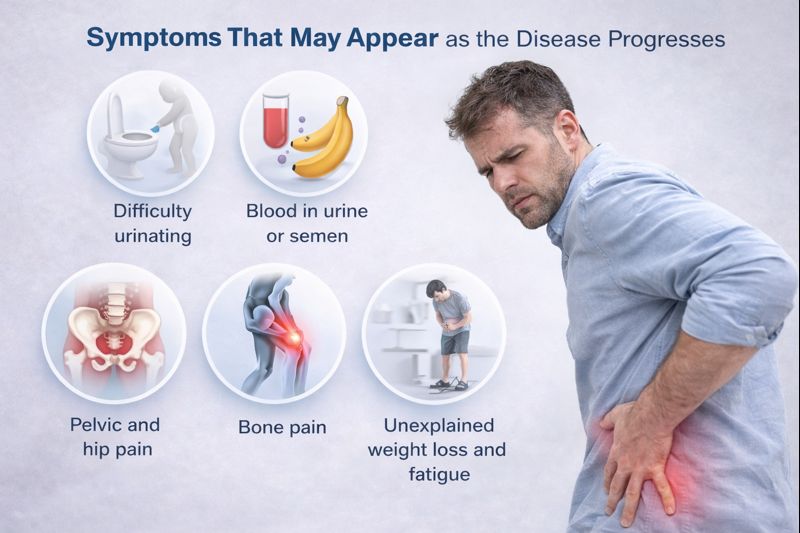
Symptoms That May Appear as the Disease Progresses
Once prostate cancer advances, symptoms may begin to appear. These signs often develop gradually and are sometimes mistaken for normal aging or benign prostate conditions.
Common symptoms include difficulty urinating, increased urinary frequency (especially at night), trouble starting or stopping urine flow, and a weak stream. Some men notice blood in urine or semen, painful ejaculation, or a persistent dull ache in the pelvic area.
As the disease progresses further, pain may spread to the lower back, hips, or thighs. Erectile difficulties can also occur. In more advanced cases, unexplained weight loss, reduced appetite, numbness in the legs, or bone pain may develop—signals that require immediate medical attention.
Important Reminder: Symptoms Don’t Always Mean Cancer
It’s crucial to understand that these symptoms are not exclusive to prostate cancer. Benign prostatic hyperplasia (BPH), a non-cancerous enlargement of the prostate, is extremely common and can cause nearly identical urinary problems. Erectile dysfunction is also frequently linked to aging, diabetes, cardiovascular disease, or smoking rather than cancer itself.
That said, persistent or worsening symptoms should never be ignored. Only proper screening—such as PSA testing, digital rectal exams, and imaging—can determine the true cause.
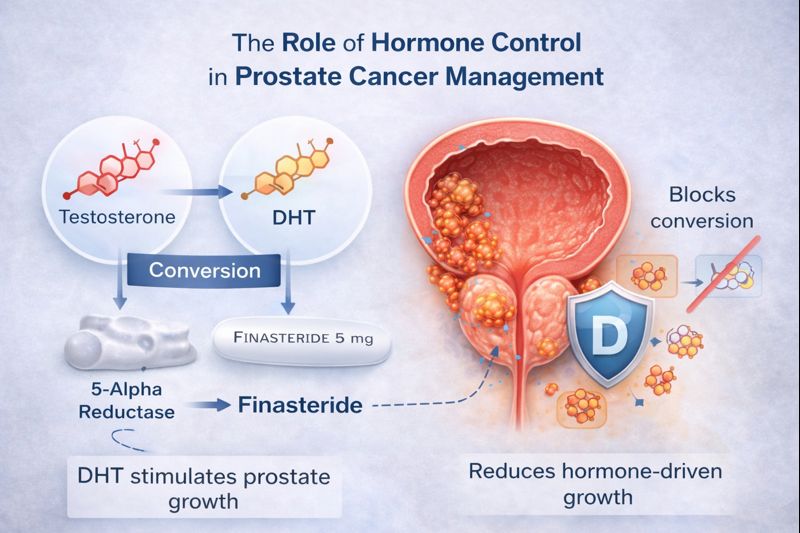
The Role of Hormone Control in Prostate Cancer Management
Prostate cancer growth is strongly influenced by male hormones, particularly dihydrotestosterone (DHT). Reducing DHT levels can help slow disease progression and manage symptoms in certain cases.
This is where medications like Fincar 5 mg (Finasteride) are commonly prescribed. Finasteride works by inhibiting the enzyme responsible for converting testosterone into DHT, lowering hormone-driven stimulation of prostate tissue. By reducing DHT levels, it may help control prostate enlargement and support medical management strategies under physician supervision.
When to Take Action
If you are experiencing urinary changes, pelvic discomfort, sexual dysfunction, or unexplained pain, consulting a healthcare professional early can make a meaningful difference. Early detection significantly improves outcomes and expands treatment options.
Prostate health is not something to postpone. Understanding symptoms, managing risk factors, and following appropriate treatment plans can help men maintain quality of life and long-term well-being.