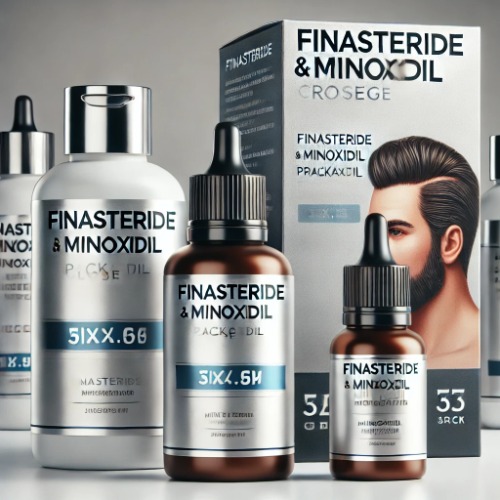
Hair loss is more than just a cosmetic issue—it affects confidence, self-esteem, and even social interactions. For many, seeing strands of hair fall out daily can be distressing, and the search for an effective solution often leads to countless remedies, shampoos, and treatments with little success. But what if science already had the answer? Finasteride and Minoxidil are the most clinically proven treatments for hair loss, specifically male pattern baldness (androgenetic alopecia). Together, they form the gold standard in hair restoration therapy, helping millions regrow hair and prevent further loss.
Understanding why hair loss occurs is key to addressing it effectively. Androgenetic alopecia is caused by Dihydrotestosterone (DHT), a byproduct of testosterone that shrinks hair follicles over time. This leads to thinner, weaker hair until follicles eventually stop producing hair altogether. Finasteride works by blocking DHT production, preventing further follicle damage and allowing hair to regrow naturally. Meanwhile, Minoxidil stimulates blood circulation to the scalp, reviving dormant follicles and promoting thicker, healthier hair growth.
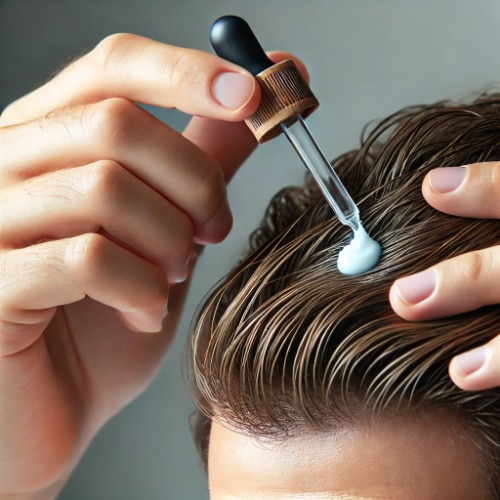
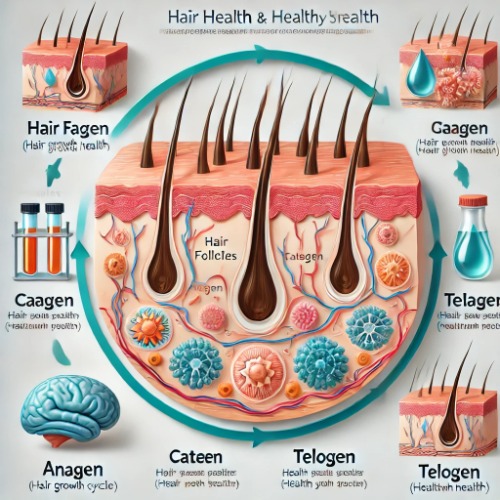
Many wonder, “Which treatment is better?” The answer is that Finasteride and Minoxidil work best together, addressing hair loss from different angles. Finasteride 1mg is taken orally, reducing DHT levels by up to 70%, effectively halting hair loss and even reversing miniaturization in some cases. Meanwhile, Minoxidil 5% is applied topically, increasing blood flow to the scalp and prolonging the anagen (growth) phase of the hair cycle. The combination results in stronger, denser hair growth and a visible reduction in hair shedding within months.
Clinical studies have shown that Finasteride users experience a 90% success rate in preventing hair loss, while Minoxidil users see improved hair density by 35-40% after consistent use for 6–12 months. Patience is key—hair growth takes time, and consistency is crucial for long-term results. Some individuals notice an initial increase in shedding during the first few weeks of Minoxidil use, but this is actually a sign that the treatment is working—pushing out weak hairs to make way for stronger, healthier strands.
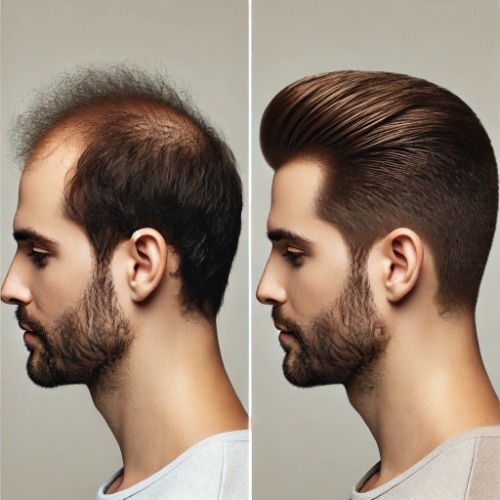
Like all medications, Finasteride and Minoxidil come with potential side effects, though they are generally well-tolerated. Finasteride may cause mild side effects in a small percentage of users, including decreased libido or slight hormonal changes, but these effects typically resolve after discontinuation. Meanwhile, Minoxidil users may experience mild scalp irritation or dryness, which can be managed by using a gentle shampoo and applying a moisturizer to the scalp.
The best way to maximize results is by following a consistent hair care routine. Taking Finasteride 1mg once daily and applying Minoxidil twice a day will ensure optimal absorption and effectiveness. Additionally, supporting hair health through a nutrient-rich diet, DHT-blocking shampoos, and scalp massages can further improve growth potential. Biotin, Zinc, and Vitamin D are particularly beneficial for strengthening hair follicles.
One common concern is whether stopping treatment will cause hair loss to return. The reality is that Finasteride and Minoxidil work as long as they are used—if discontinued, hair will gradually revert to its original state. This is why hair loss management should be viewed as an ongoing process rather than a one-time fix. Fortunately, for those committed to long-term maintenance, Finasteride and Minoxidil provide a reliable and scientifically backed solution to hair thinning and balding.
Many users report not just hair regrowth, but also a significant boost in confidence and self-image. Hair restoration is about more than aesthetics—it’s about regaining control over one’s appearance and feeling comfortable in one’s own skin. With the right combination of science-backed treatments and a little patience, reversing hair loss is not just possible—it’s achievable.
For those looking to start Finasteride and Minoxidil, consulting a healthcare provider for guidance is always recommended. Taking charge of hair loss today means seeing results in the future. The sooner the treatment begins, the better the chances of maintaining thick, healthy hair for years to come.