Cancer is never just a medical diagnosis.
For many families, it becomes a moment where uncertainty, urgency, and difficult decisions collide.
In online communities where patients and caregivers share their experiences, a pattern often appears. When standard treatment options such as surgery or chemotherapy feel limited—or when patients choose not to pursue them—people begin searching for ways to buy time, improve quality of life, or support the body through alternative strategies.
These conversations reveal something important:
patients are not only looking for cures. They are often looking for hope, control, and additional options.
This article summarizes some of the real-world discussions, alternative approaches, and perspectives that frequently emerge among cancer patients navigating difficult treatment decisions.
The Reality Many Patients Face
For some individuals, cancer is discovered late.
In many cases shared online, patients describe situations where tumors are already inoperable or metastatic, leaving limited conventional options such as:
• chemotherapy
• radiation therapy
• immunotherapy
• experimental clinical trials
While these treatments can be effective, they also come with difficult trade-offs.
Some patients choose to pursue aggressive therapy.
Others decide they prefer less invasive approaches or complementary strategies alongside conventional care.
What becomes clear in patient discussions is that every decision is deeply personal.
Why Some Patients Look Beyond Standard Treatments
There are several common reasons people begin researching alternatives.
1. Concerns about side effects
Chemotherapy and radiation can cause severe fatigue, immune suppression, neuropathy, and other long-term complications.
Some patients worry about quality of life during treatment.
2. Limited treatment options
When doctors describe cancer as advanced, metastatic, or inoperable, families often begin searching for anything that might slow progression.
3. Desire for additional control
Facing a life-threatening diagnosis can leave people feeling powerless.
Researching diet changes, supplements, or alternative medicines can provide a sense of active participation in the fight against the disease.
Alternative and Repurposed Drugs Frequently Discussed
One of the most common topics in patient communities is the use of repurposed medications—drugs originally developed for other conditions but investigated for potential anti-cancer effects.
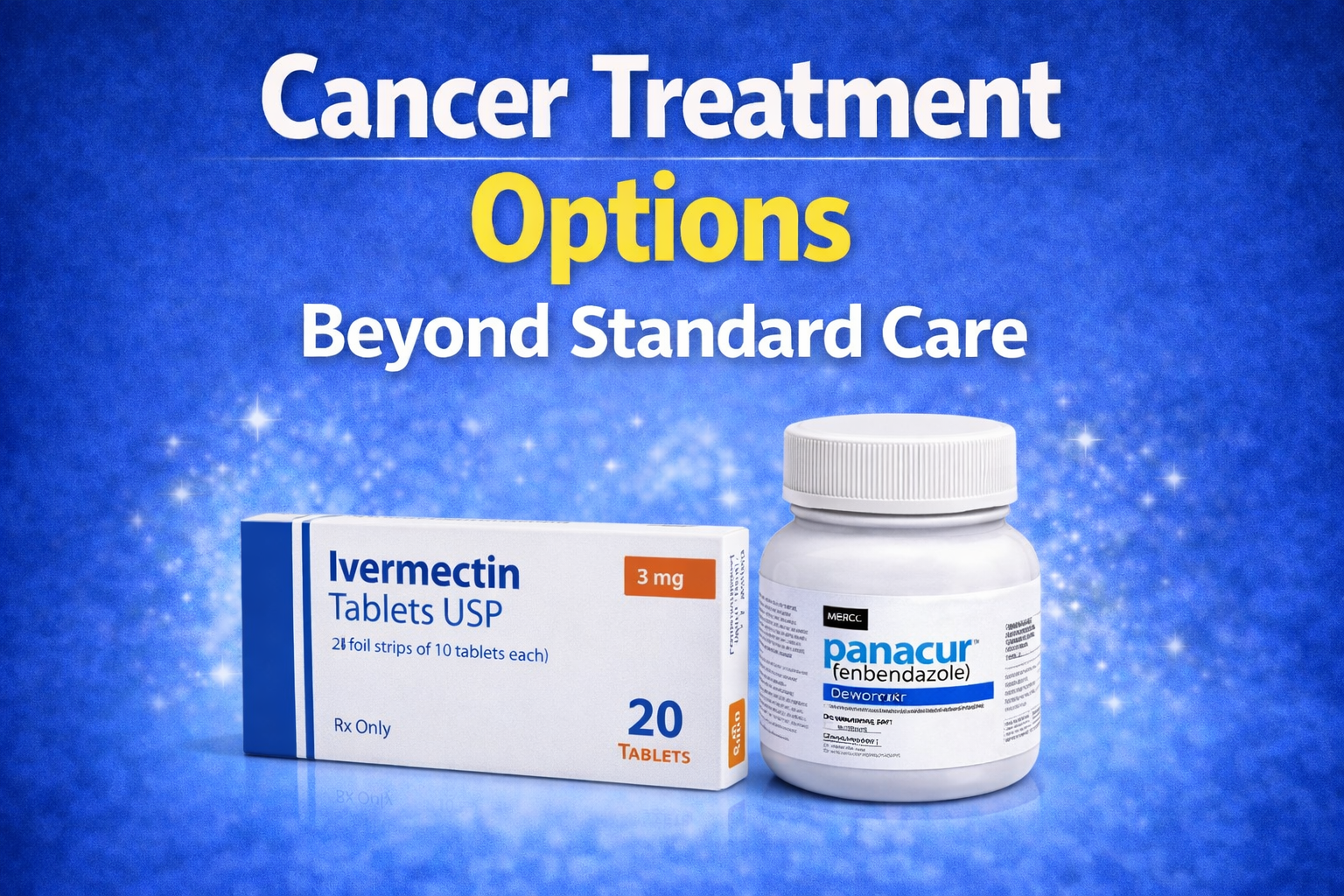
Fenbendazole
Fenbendazole is an anti-parasitic medication originally used in veterinary medicine.
Interest in fenbendazole grew after several anecdotal reports suggested possible anti-tumor activity. The compound appears to affect microtubule structures within cells, which may interfere with cancer cell division.
Although research is still limited, the topic continues to circulate widely in patient communities.
Ivermectin
Ivermectin is another anti-parasitic drug that has gained attention for possible anti-cancer properties.
Laboratory studies suggest ivermectin may influence:
• tumor cell signaling pathways
• immune response
• cancer cell metabolism
Because ivermectin has been used safely for decades for parasitic infections, some patients consider it a candidate for drug repurposing strategies.
However, clinical evidence in cancer treatment remains limited.
Other Antiparasitic Protocols
Some online discussions reference rotating multiple antiparasitic compounds, such as:
• Fenbendazole
• Ivermectin
• Pyrantel pamoate
The idea behind these approaches is that certain parasites or metabolic pathways might influence tumor growth, though this remains a controversial and unproven theory in mainstream oncology.
Natural Compounds and Plant-Based Approaches
In addition to repurposed pharmaceuticals, many patients explore plant-derived compounds believed to have anti-cancer properties.
Some frequently mentioned examples include:
Turkey Tail Mushrooms
Rich in beta-glucans, turkey tail mushrooms have been studied for immune-modulating effects.
Certain extracts are already used in parts of Asia alongside conventional cancer therapy.
Sulforaphane
Sulforaphane is a compound found in cruciferous vegetables such as broccoli.
Research suggests it may influence cancer stem cells and detoxification pathways.
Graviola (Soursop)
Graviola leaves and extracts have been investigated for potential anti-tumor properties due to compounds called annonaceous acetogenins.
Evidence is still preliminary, but the plant continues to attract interest in natural medicine circles.
Cannabis Oil and RSO
Another therapy frequently mentioned in cancer communities is Rick Simpson Oil (RSO) or full-extract cannabis oil.
These oils contain high concentrations of cannabinoids such as THC and CBD.
Patients often report using them to help with:
• pain relief
• appetite stimulation
• sleep
• anxiety
While cannabinoids are increasingly accepted for symptom management, their direct anti-cancer effects remain under investigation.
The Role of Diet and Metabolism
Diet changes are another area where many patients feel they can take action.
Common dietary strategies discussed include:
• reducing sugar intake
• ketogenic diets
• intermittent fasting
• raw or plant-based diets
The underlying idea is that cancer cells rely heavily on glucose metabolism, though nutrition strategies vary widely depending on the patient’s condition and treatment plan.
Clinical Trials and Advanced Treatment Centers
While many patients explore alternative options, another recurring recommendation in cancer communities is seeking care at research hospitals.
Major cancer research centers often provide access to:
• experimental drugs
• targeted therapies
• immunotherapy trials
• proton radiation therapy
These institutions may offer treatments not yet widely available in standard hospitals.
Emotional and Psychological Factors
One often overlooked aspect of cancer treatment is the emotional burden.
Patients frequently discuss the importance of:
• maintaining hope
• reducing stress
• staying mentally engaged in recovery
• spiritual or emotional support
While mindset alone cannot cure cancer, emotional resilience can significantly affect quality of life and treatment tolerance.
A Complex Landscape of Choices
Cancer treatment today exists in a complex landscape where:
• conventional medicine
• experimental therapies
• repurposed drugs
• natural approaches
all intersect.
Some patients choose aggressive clinical treatment.
Others pursue complementary or alternative paths.
Most people ultimately combine multiple strategies in an effort to improve outcomes and maintain quality of life.
The Most Important Takeaway
Perhaps the clearest message from patient communities is this:
People facing cancer are rarely searching for a single miracle solution.
They are searching for time, options, and hope.
Whether through advanced medical research, repurposed medications, lifestyle changes, or supportive therapies, many patients pursue every possible path that might help them continue moving forward.
And in that search, shared experiences—sometimes from complete strangers—can become a powerful source of guidance and support.
If you want, I can also create a viral-style thumbnail for this cancer blog post (the same format you’ve been using for the other posts — blue glow background, bold title, medicine visuals).
That style tends to perform very well for SEO blog CTR.