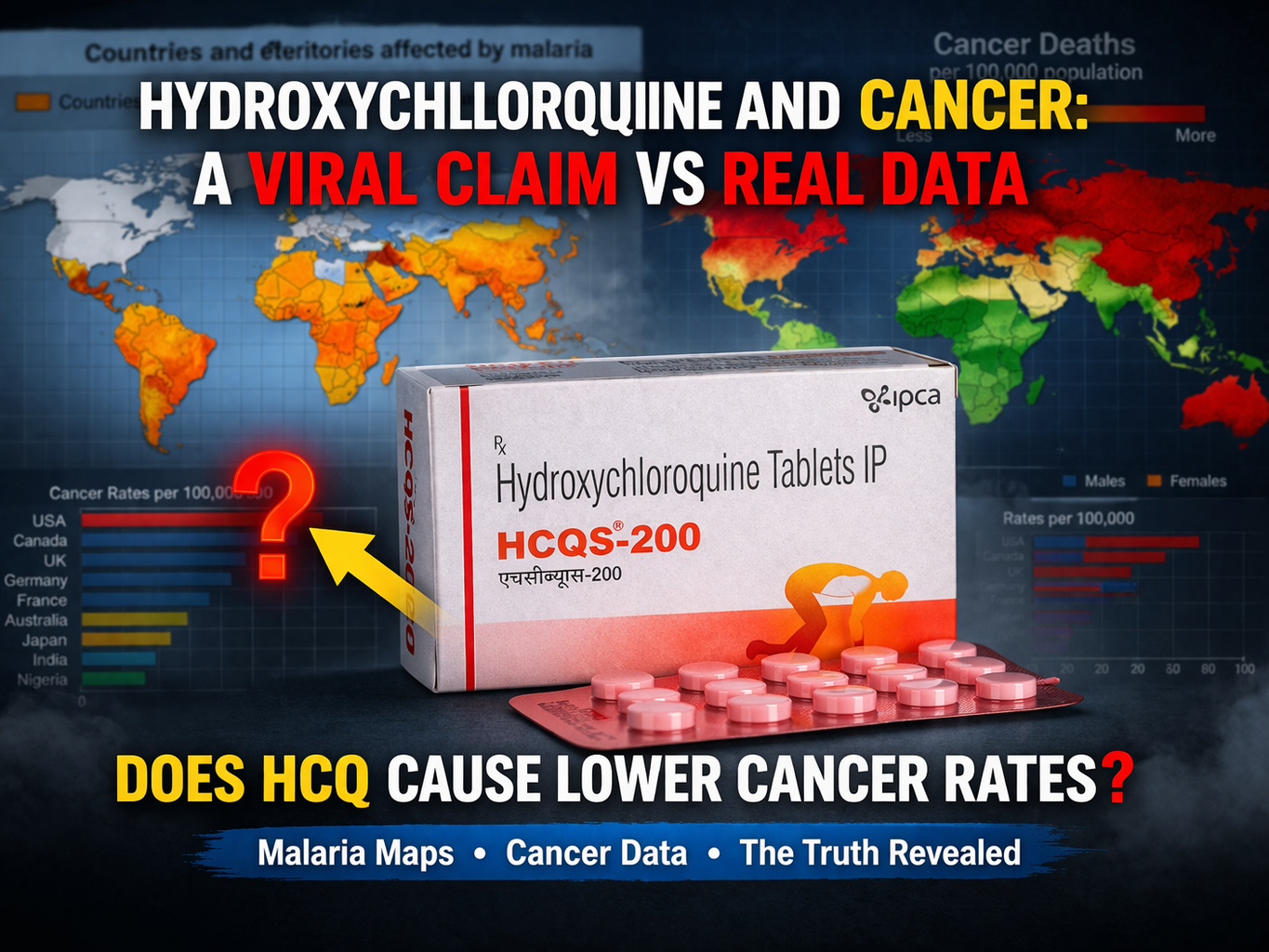
1. The Claim That Sparked the Debate
A recent forum thread raised an interesting but controversial idea:
“Look at cancer rates in countries where hydroxychloroquine (HCQ) is commonly used — they seem lower.”
This quickly led to broader claims:
- HCQ might prevent or even cure cancer
- Cancer could behave like a virus
- Pharmaceutical companies are suppressing the truth
Some users even connected HCQ to natural compounds like quinine, wormwood, and cannabinoids, suggesting a wider “anti-cancer” pattern.
2. Where the Logic Comes From
At first glance, the argument feels intuitive:
👉 Regions using HCQ frequently → Lower cancer rates
But this is where things start to break down.
3. Malaria Distribution (Where HCQ Is Used)
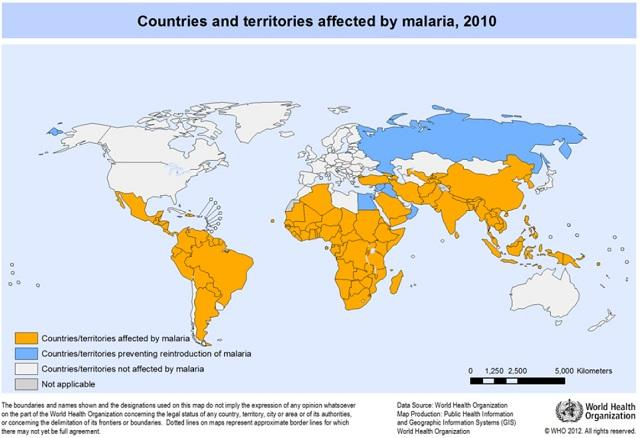
This map shows countries affected by malaria:
- Sub-Saharan Africa
- Southeast Asia
- Parts of South America
These are regions where anti-malarial drugs like hydroxychloroquine have historically been used.
4. Global Cancer Death Rates
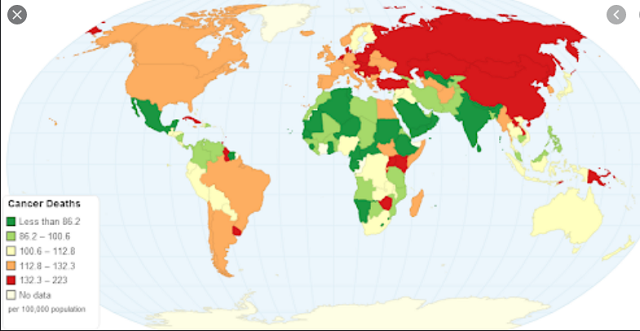
This map shows cancer death rates:
- North America, Europe, Russia → Higher rates
- Africa, parts of Asia → Lower rates
5. The Misleading Conclusion
Based on these two visuals, some people conclude:
👉 “HCQ use = Lower cancer rates”
But this is a classic case of correlation being mistaken for causation.
6. What’s Actually Missing From the Analysis
Three critical variables are ignored:
1) Life Expectancy
Cancer is strongly age-related.
- Developed countries → longer lifespan → more cancer cases
- Developing regions → shorter lifespan → fewer cancer diagnoses
2) Diagnostic Infrastructure
In many regions:
- Limited access to screening
- Underreporting of cancer cases
👉 Cancer doesn’t disappear, it often goes undetected.
3) Competing Causes of Death
In malaria-endemic regions:
- Infectious diseases
- Malnutrition
- Limited healthcare access
👉 People often die earlier, before cancer develops or is diagnosed.
7. Real Cancer Rate Patterns
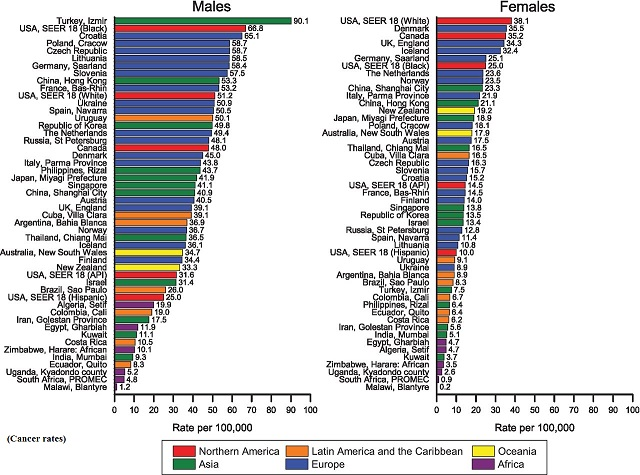
When looking at detailed data:
- USA, Europe → highest cancer rates
- Africa, parts of Asia → lowest reported rates
But again, this reflects:
👉 Healthcare systems + demographics, not HCQ usage
8. Where Hydroxychloroquine Fits in Reality
Hydroxychloroquine is primarily:
- An anti-malarial drug
- An immune-modulating agent (e.g., lupus, rheumatoid arthritis)
In global markets, it is widely available in generic forms such as:
These are commonly used across different regions for standard indications, particularly in areas where malaria or autoimmune conditions are prevalent.
Some research has explored:
- Anti-inflammatory effects
- Autophagy inhibition (linked to cancer cell survival pathways)
However:
👉 HCQ is not a first-line cancer treatment
9. Why These Theories Keep Spreading
This type of discussion keeps resurfacing for one reason:
👉 People are actively searching for alternatives beyond standard treatments
And in many cases:
- Generic medications
- Repurposed drugs
- Lower-cost global options
…become part of that conversation.
10. Market Insight: How This Should Be Interpreted
Instead of dismissing these discussions entirely, it’s more useful to frame them correctly:
First-line (standard oncology)
- Chemotherapy
- Targeted therapy
- Immunotherapy
Alternative / investigational interest
- Hydroxychloroquine
- Ivermectin
- Fenbendazole
👉 These belong to research or exploratory discussions, not established treatment protocols.
11. The Key Takeaway
The maps are real.
The data is real.
But the conclusion is not.
👉 Lower cancer rates in malaria regions are driven by:
- Lower life expectancy
- Limited diagnostics
- Different healthcare conditions
—not by hydroxychloroquine use.
12. Final Perspective
This discussion highlights something important:
👉 The growing global interest in drug repurposing and generic medicines
Understanding the difference between:
- Proven treatments
- Experimental hypotheses
- Data misinterpretation
…is what separates informed decisions from viral misinformation.
CTA (Natural Integration)
If you're exploring globally used medications with well-established mechanisms and widespread real-world use, ZarvyPharm provides access to a curated range of trusted generic formulations sourced from leading manufacturers.