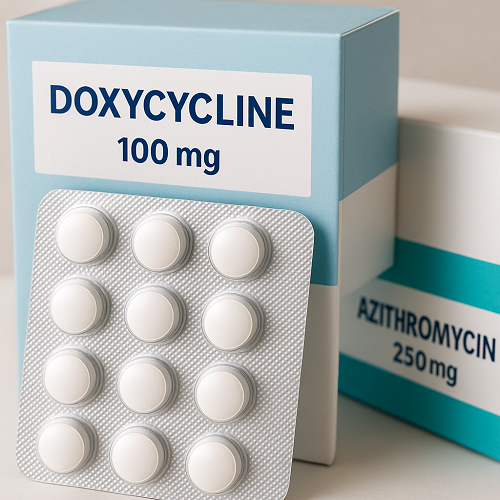
Doxycycline is a broad-spectrum tetracycline antibiotic, meaning it targets a wide variety of bacteria. It works by inhibiting bacterial protein synthesis, preventing bacteria from multiplying. This makes it particularly effective against respiratory infections, acne, Lyme disease, and malaria prevention. Unlike many other antibiotics, Doxycycline is also effective against intracellular bacteria, which makes it a valuable option for treating infections caused by organisms that hide within human cells.
On the other hand, Azithromycin belongs to the macrolide class of antibiotics and works by blocking bacterial protein production, effectively stopping the spread of infection. It is most commonly used for respiratory tract infections, skin infections, and sexually transmitted infections like chlamydia and gonorrhea. One of the biggest advantages of Azithromycin is its long half-life, which means it stays in the body for an extended period, allowing for shorter treatment durations compared to other antibiotics.
Both antibiotics are widely prescribed, but their differences in mechanism, dosage, and effectiveness against certain bacteria make them suited for specific infections. Doxycycline is often chosen for conditions that require longer treatment courses, while Azithromycin is preferred for shorter, high-dose regimens that quickly eliminate bacteria.

One of the biggest advantages of Doxycycline is its effectiveness against antibiotic-resistant bacteria. Due to its broad-spectrum nature, it is commonly prescribed for infections where standard antibiotics may fail. However, Doxycycline must be taken with caution, as it can cause gastrointestinal irritation and increased sun sensitivity. Patients taking Doxycycline are advised to avoid prolonged sun exposure and always use sunscreen to prevent photosensitivity reactions.
Azithromycin, in contrast, is often preferred for patients with sensitive stomachs, as it is generally well-tolerated with fewer gastrointestinal side effects. However, it has been associated with QT prolongation, a heart condition that affects electrical signaling and may increase the risk of arrhythmias in some individuals. Because of this, patients with pre-existing heart conditions should consult their doctor before taking Azithromycin.
One key reason Azithromycin is favored in treating respiratory infections is its ability to penetrate lung tissues effectively. It is frequently prescribed for pneumonia, bronchitis, and sinus infections where deep tissue penetration is needed. Doxycycline, meanwhile, is highly effective for chronic bacterial infections like acne and long-term respiratory diseases such as chronic obstructive pulmonary disease (COPD).

When it comes to treating sexually transmitted infections (STIs), both Doxycycline and Azithromycin play crucial roles. Azithromycin is the first-line treatment for chlamydia, often prescribed as a single high-dose regimen. However, recent studies suggest that Doxycycline may be more effective for persistent or resistant chlamydia infections, as it provides longer bacterial suppression.
Another critical factor to consider is how these antibiotics are taken. Azithromycin is typically taken for a shorter duration, often one to five days, while Doxycycline requires a longer course, usually around seven to fourteen days, depending on the condition being treated. Patients who struggle with adherence to longer medication schedules may prefer Azithromycin, but those with recurrent infections or antibiotic resistance issues may benefit more from Doxycycline.
While both antibiotics are highly effective, their use must be carefully managed to prevent antibiotic resistance. Overuse and misuse of antibiotics have led to multi-drug-resistant bacterial strains, making infections harder to treat. Patients should always complete their prescribed course, even if they start feeling better, to ensure that the infection is fully eradicated.

Despite their effectiveness, both Doxycycline and Azithromycin come with potential side effects that patients should be aware of. Doxycycline is known to cause nausea, vomiting, diarrhea, and esophageal irritation, especially when taken without sufficient water. Azithromycin, on the other hand, may lead to mild stomach upset, fatigue, or, in rare cases, liver enzyme abnormalities. However, for most patients, these side effects are temporary and manageable, and the benefits of treatment far outweigh the risks.
Choosing the right antibiotic depends on the type of infection, bacterial resistance patterns, and patient-specific factors such as existing medical conditions and potential drug interactions. Doxycycline is favored for chronic infections, acne, and malaria prevention, while Azithromycin is often the go-to option for respiratory infections and STIs due to its shorter treatment course and strong lung penetration.
Ultimately, both antibiotics serve as critical weapons in the fight against bacterial infections, and their widespread use has saved countless lives worldwide. However, responsible use is essential—patients should always follow their doctor’s instructions, avoid unnecessary antibiotic use, and complete their full course of medication to prevent the emergence of antibiotic-resistant bacteria.
Infections can be unpredictable, but modern medicine has equipped us with powerful tools like Doxycycline and Azithromycin to manage them effectively. Whether treating respiratory infections, STIs, or long-term bacterial conditions, these antibiotics remain at the forefront of bacterial defense strategies, ensuring that patients receive the best possible care.