Scientifically proven for its skin-lightening properties, this powerful ingredient helps reduce pigmentation and promotes a clearer, more even complexion. Effective for addressing various concerns such as melasma, freckles, and dark spots, Hydroquinone 4% is a high-concentration formula that typically requires a prescription and is widely used by dermatologists for the treatment of discoloration.
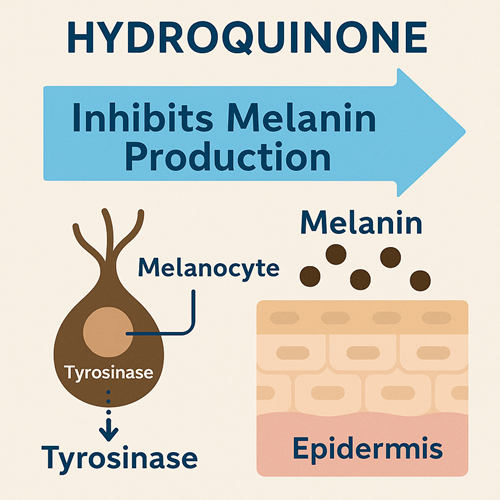
Hydroquinone 4% W/W brightens the skin by strongly inhibiting melanin production, but it must be used correctly to achieve optimal results. Melanin, the natural pigment in the skin, can be overproduced due to factors such as sun exposure, hormonal changes, and aging. Hydroquinone works by blocking the activity of tyrosinase, the enzyme responsible for melanin synthesis, thereby preventing pigmentation and gradually fading existing dark spots.
Unlike over-the-counter whitening products, Hydroquinone 4% is regarded as one of the most effective treatments for hyperpigmentation. It is particularly effective in cases of melasma, age spots, freckles, and acne-related discoloration. The 4% concentration is one of the strongest non-prescription options available for short-term treatment, typically recommended by professionals. However, prolonged use may lead to skin sensitivity, so following correct usage guidelines is crucial.
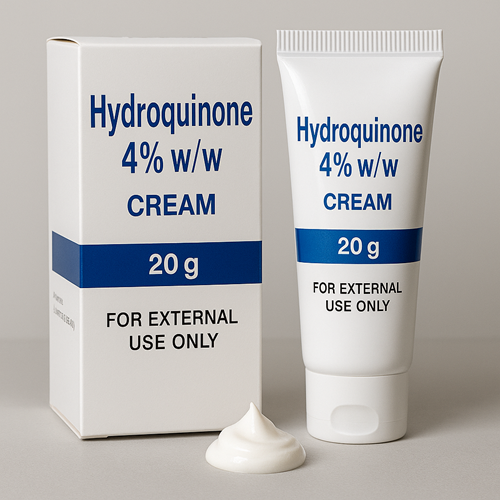
When using Hydroquinone 4% W/W, it is essential to follow specific instructions and seek guidance from a dermatologist. Proper use can significantly brighten the skin and reduce pigmentation. The general guidelines are as follows:
Apply to clean, dry skin after washing: After cleansing, ensure the skin is completely dry before applying the Hydroquinone 4% cream.
Use a small amount gradually: For sensitive skin, begin by applying it 2 to 3 times per week and gradually increase frequency.
Apply only to pigmented areas: Avoid applying to unaffected skin and limit use to areas with discoloration.
Use sunscreen during the day: Since Hydroquinone can increase sun sensitivity, applying a broad-spectrum sunscreen with SPF 30 or higher is essential.
Evening application is preferred: To reduce sun exposure risk, it is best used at night.
The effects of Hydroquinone 4% W/W typically become visible after 4 to 6 weeks of consistent use. For best results, continued use for at least 3 months is recommended. However, using it continuously for longer than 3 months may worsen pigmentation, so a treatment break followed by dermatological consultation is advised.
While Hydroquinone 4% W/W is effective on its own, combining it with other active ingredients such as retinoids (e.g., Tretinoin), alpha hydroxy acids (AHA), or kojic acid can enhance its brightening effects. Retinoids accelerate skin turnover, improving the efficacy of Hydroquinone, while AHAs exfoliate dead skin cells, allowing pigmentation to fade more quickly.
A common concern among users is the potential side effects of Hydroquinone. Despite its strong efficacy, improper use may lead to adverse reactions:
Temporary redness and irritation: Initial use may cause mild redness or a stinging sensation.
Increased sun sensitivity: Hydroquinone can exacerbate pigmentation when exposed to sunlight; hence, daily sunscreen use is imperative.
Risk of ochronosis with prolonged use: Long-term application may result in paradoxical skin darkening known as exogenous ochronosis.
To prevent such issues, excessive application should be avoided, and professional guidance must be followed. For sensitive skin, starting with a lower concentration (e.g., 2%) and gradually increasing to 4% is advisable.
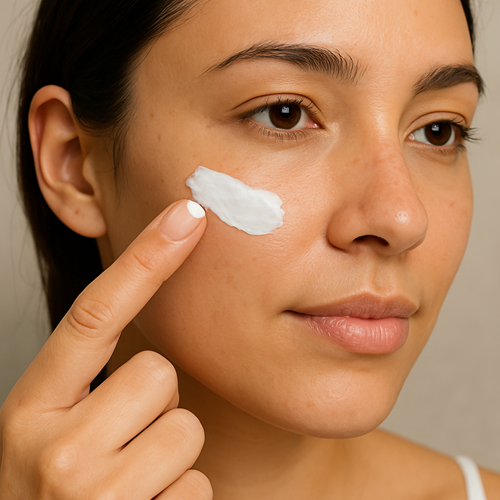
Lifestyle management is also important while using Hydroquinone. To minimize melanin production, apply sunscreen with SPF 30 or higher daily and avoid triggers such as inflammation and UV exposure. Using soothing moisturizers with ingredients like aloe vera or green tea extract can reduce irritation and strengthen the skin barrier.
Unlike regular whitening creams, Hydroquinone 4% W/W is a potent compound typically available only through pharmacies or dermatological prescriptions, making it essential to purchase from reliable sources.
Perform a patch test before use: Apply a small amount behind the ear or on the inner arm to check for adverse reactions.
Do not use continuously for more than 3 months: After a treatment cycle, allow the skin to rest before resuming use.
Use with vitamin C: Combining with antioxidant-rich vitamin C serums can further boost the brightening effects.

When used appropriately, Hydroquinone 4% W/W is highly effective in improving melasma, hyperpigmentation, and dark spots. However, due to the risk of side effects with extended use, it is crucial to monitor skin condition regularly and manage treatment duration carefully.
Achieving a bright and even complexion is not solely dependent on product use. The best outcomes are realized when combined with proper skincare routines, sun protection, and healthy lifestyle habits. Given its potency, Hydroquinone 4% W/W should be used with caution and ideally under medical supervision.