
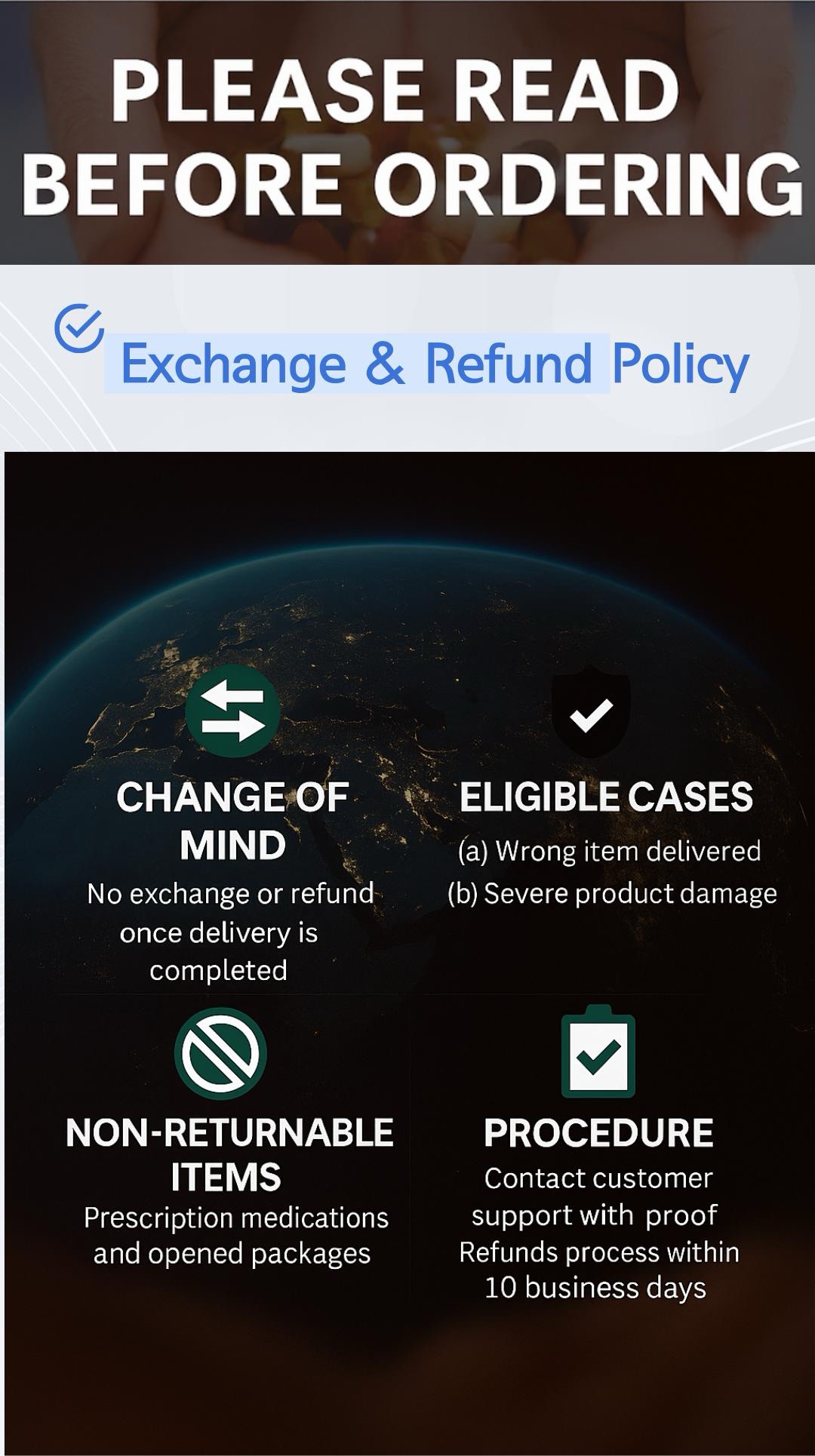
Exchange & Returns Information
(0)
| Generic For | NEXAVAR |
|---|---|
| Active Ingredient | SORAFENIB |
| Strength | 200MG |
| Manufacturer | CIPLA |


| Pack Size | Price Per Unit | Unit Price | QTY | CART | Best Coupon Price MAX DISCOUNT |
|---|---|---|---|---|---|
| 1 BOX - 120 TABLETS | $ 1.10 | $ 132.00 |
$ 112.20
Apply ZARVY26 (-15%)
You save $ 19.80
|
||
| 2 BOXES - 240 TABLETS | $ 1.09 |
1% $ 264.00
$ 262.00
|
$ 222.70
Apply ZARVY26 (-15%)
You save $ 39.30
|
||
| ★ Best Value 3 BOXES - 360 TABLETS | $ 1.06 |
4% $ 396.00
$ 382.00
|
$ 324.70
Apply ZARVY26 (-15%)
You save $ 57.30
|




Reference information will be available soon.
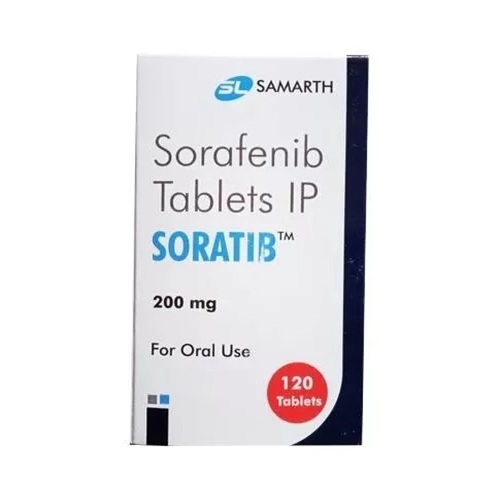
Soranib 200 is an oral targeted anticancer therapy containing sorafenib 200 mg, a first-generation multikinase inhibitor that simultaneously targets tumor cell proliferation and angiogenesis.
Its mechanism of action involves inhibition of both intracellular kinases (e.g., RAF) and receptor tyrosine kinases (including VEGFR, PDGFR, KIT, and RET). By disrupting these pathways, sorafenib interferes with tumor growth signals and new blood vessel formation, effectively suppressing both cancer cell survival and tumor vascularization.
Clinically, Soranib 200 has established roles in the treatment of:
Hepatocellular carcinoma (HCC)
Renal cell carcinoma (RCC)
Iodine-refractory differentiated thyroid cancer (DTC)
As one of the first well-validated multikinase inhibitors, it remains a cornerstone oral therapy for patients with advanced or progressive solid tumors, offering a long-term disease control option under oncologist supervision.
AntiCancer Drugs > Hepatocellular Carcinoma (HCC)
Standard first-line systemic therapy for patients with unresectable or metastatic liver cancer. Sorafenib significantly delays disease progression by blocking tumor angiogenesis and suppressing mitogenic signaling cascades. It has been shown to extend overall survival and is widely included in international oncology guidelines.
AntiCancer Drugs > Renal Cell Carcinoma (RCC)
Used as a first- or second-line treatment in advanced RCC where curative surgery is not an option. By inhibiting VEGFR and PDGFR, sorafenib reduces tumor blood supply and proliferation. Its disease-stabilizing effect in metastatic renal cancer is particularly valuable in patients who relapse after cytokine therapy.
AntiCancer Drugs > Differentiated Thyroid Cancer (DTC)
Approved for patients with progressive DTC refractory to radioactive iodine (RAI). Sorafenib disrupts tumor vascularization and growth pathways, offering a non-invasive systemic therapy that provides measurable control of disease progression.
AntiCancer Drugs > Off-label Uses & Research Applications
Sorafenib continues to be studied in a wide range of solid tumors including non-small cell lung cancer (NSCLC), breast cancer, and pancreatic carcinoma. It is often evaluated in combination regimens and experimental protocols aiming to overcome drug resistance in refractory cancers.
Sorafenib exerts its activity through a dual mechanism that combines inhibition of intracellular tumor signaling and angiogenesis:
RAF/MEK/ERK pathway blockade: prevents tumor cell division, survival, and proliferation by shutting down a critical growth cascade.
VEGFR inhibition: suppresses tumor-associated angiogenesis, depriving cancer cells of nutrients and oxygen.
By acting on multiple kinases simultaneously, sorafenib delivers a broad anti-proliferative and anti-angiogenic effect, which slows tumor progression across several malignancies.
Unlike conventional cytotoxic chemotherapy, sorafenib’s targeted mechanism allows for chronic oral administration, focusing its impact on cancer cell survival pathways while sparing most normal tissues. Its systemic bioavailability supports continuous outpatient management, making it a cornerstone of advanced oncology care.
Adults – Hepatocellular Carcinoma (HCC): 400 mg orally twice daily
Renal Cell Carcinoma (RCC): 400 mg orally twice daily
Differentiated Thyroid Cancer (DTC): 400 mg orally twice daily
Administration Guidelines:
Take on an empty stomach (≥1 hour before or ≥2 hours after meals) with a full glass of water
Swallow tablets whole; do not crush or chew
Continue therapy until disease progression or intolerable toxicity
Monitoring:
Liver function
Blood pressure
Thyroid function
Dermatologic toxicity (rash, hand-foot skin reaction)
Dose Adjustments:
Required for common toxicities such as rash, hypertension, diarrhea
Drug Interactions:
Avoid grapefruit juice
Avoid or closely monitor with strong CYP3A4 modulators (inducers/inhibitors) unless under medical supervision
Store in a dry place at room temperature, ideally below 25°C
Keep tablets in their original packaging to protect from moisture and light
Avoid exposure to direct heat or humidity
Ensure storage is secure and out of reach of children and pets
Common adverse effects include hand-foot skin reaction (palmar-plantar erythrodysesthesia), rash, fatigue, diarrhea, nausea, anorexia, hypertension, and alopecia. Less common but serious reactions include hepatic failure, myocardial ischemia, gastrointestinal perforation, and bleeding complications. Patients may also experience delayed wound healing and hypothyroidism during prolonged use. Regular assessments are crucial to identify and manage emerging toxicities early. Seek medical attention immediately if symptoms such as severe chest pain, persistent vomiting, signs of bleeding, or yellowing of the skin occur.
No reviews yet. Be the first to review this product!
No combo deals available at the moment.